April 8, 2026
April 5, 2026
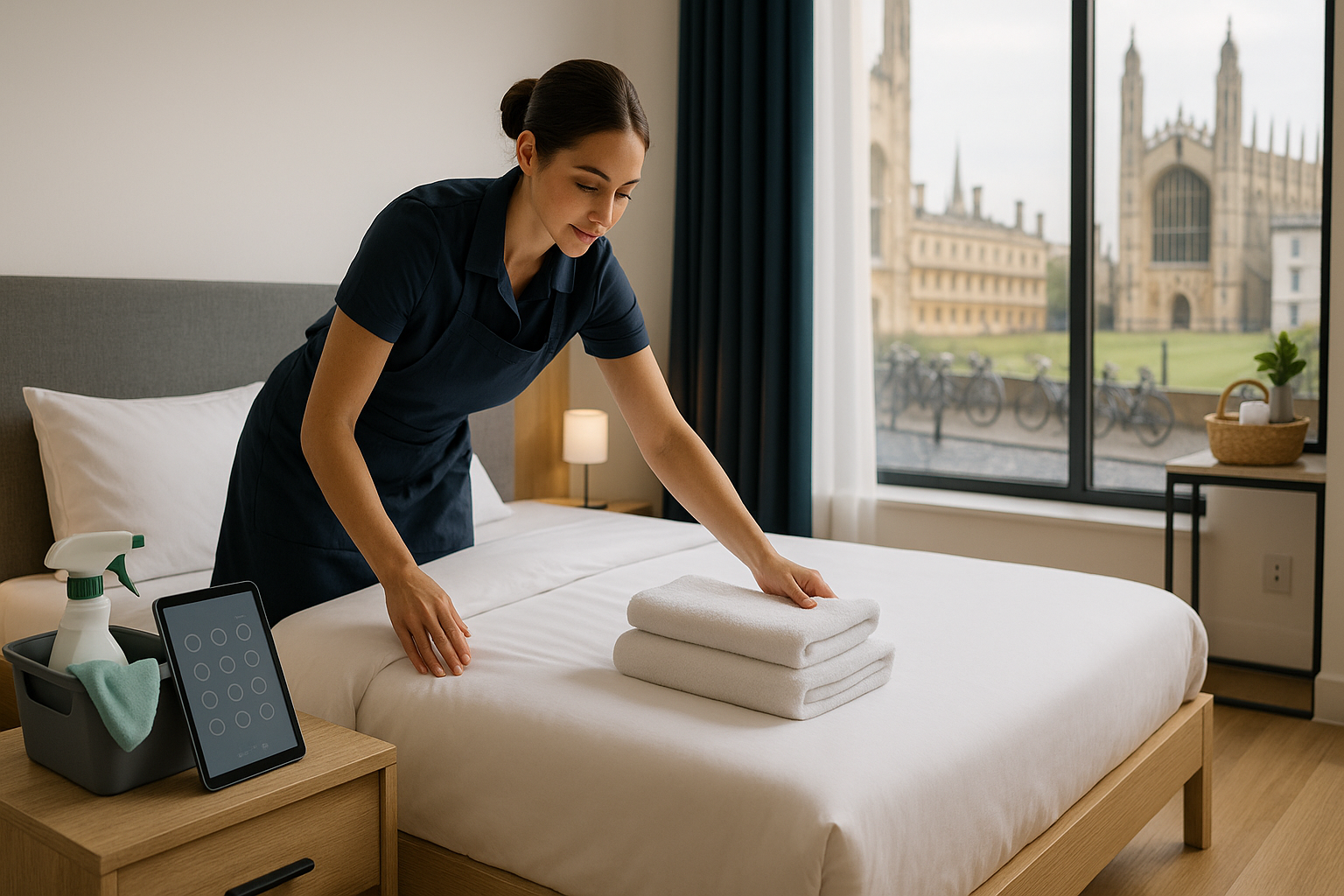
A spotless flat can earn five stars. A smudge on a shower screen can cost a booking. In Cambridge, where guests range from visiting professors to parents on graduation weekend, small details decide reviews and repeat stays. That is why serviced accommodation cleaning Cambridge is more than a quick tidy. It is a tightly run operation that protects your rating, your calendar, and your income.
If you host in the city, you have already felt the pressure of short turnover windows, peak-season demand, and guests who expect hotel standards with homely touches. This guide unpacks what a professional approach to Airbnb cleaning looks like in Cambridge, how local knowledge changes the game, and how to choose a partner who can keep your property guest ready every time.
Cambridge attracts a unique mix of visitors. There are academics here for conferences, parents touring colleges, tech professionals visiting the Science Park, and weekenders keen on punting and city walks. They book short stays and leave thorough reviews. Cleanliness is one of the most heavily weighted review categories on Airbnb, so a single miss can pull down your overall score.
The city’s calendar also creates pressure. Term starts, graduation weeks, and major events like the Cambridge Folk Festival spike demand and compress turnovers. Corporate stays cluster around midweek. Miss a check-in because a clean ran long and you risk cancellations, refunds, and calendar gaps. Consistent, hotel-level cleaning keeps pace with this rhythm and shields your listing from the volatility of seasonal traffic.
A true serviced accommodation clean is a complete reset between guests. It is not just vacuuming and fresh sheets. It is a repeatable process that restores every surface, replenishes supplies, and stages the home so it photographs and feels consistent from booking to booking.
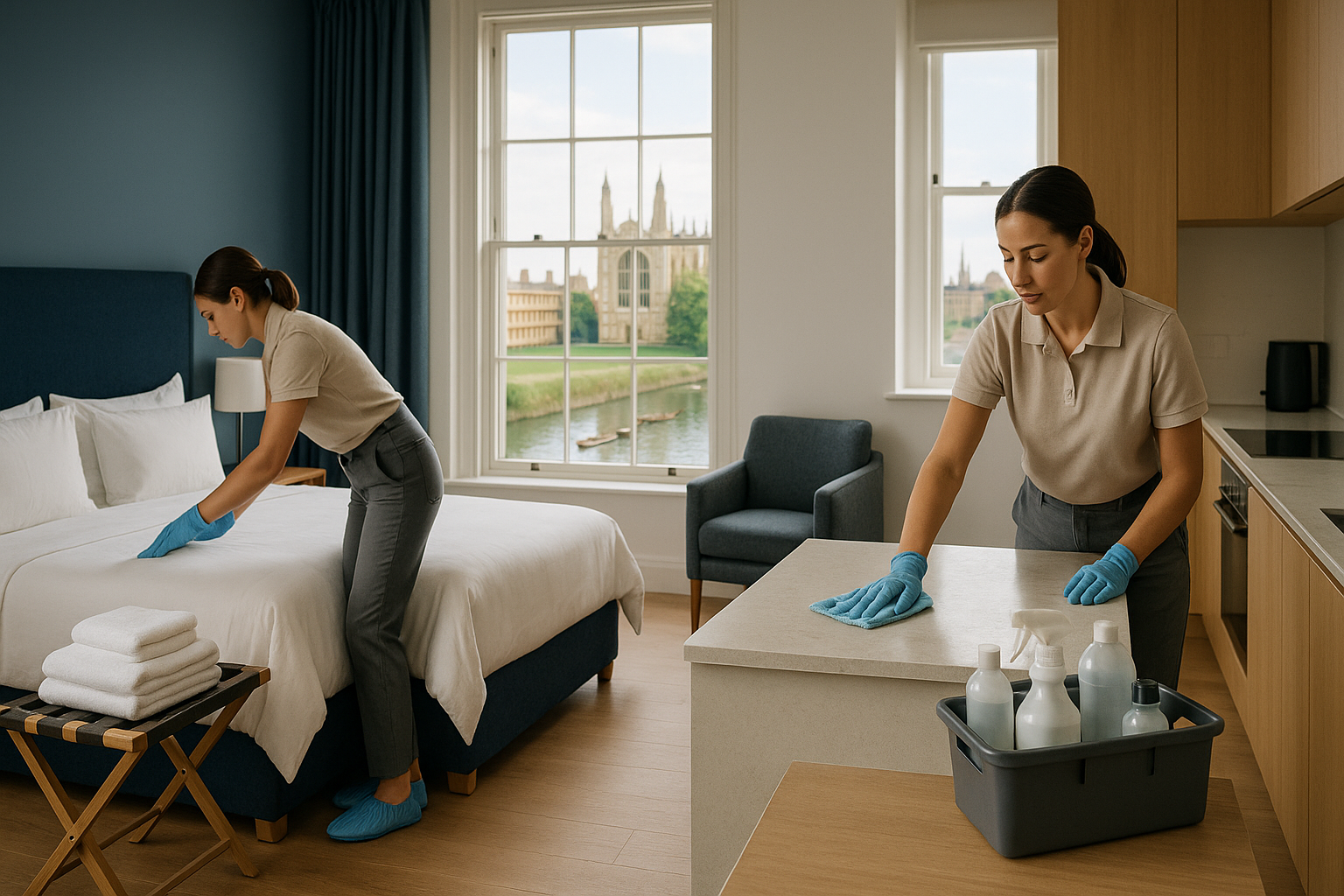
Turnover cleans handle the essentials each time. The team strips and remakes beds with pressed linen, cleans kitchens and bathrooms to a shine, vacuums and mops floors, wipes touchpoints, takes out rubbish, and checks that appliances work. They replenish basics like toilet roll, hand soap, and washing-up liquid. They set out towels neatly, fold throws, fluff cushions, and align furniture so every room looks intentional.
Linen and laundry logistics matter just as much as the cleaning itself. In Cambridge, many hosts outsource linen. A good provider usually offers hotel-grade bed linen and towels, collecting and delivering on a schedule that syncs with turnovers. Pressed sheets remove the visual creases that can make beds look tired in photos. If you use your own linen, the company should track inventory, rotate sets evenly, and flag wear so you replace items before guests complain.
Beyond the routine clean, think about deep cleans and maintenance cleans. A deep clean goes behind and under furniture, descaling taps, detail-cleaning grout, washing walls where needed, and clearing limescale on glass screens. Plan these quarterly for busy listings, and always after a long stay. Maintenance cleans are useful for stays beyond a week. They change towels, refresh bins, and tidy without disturbing guests, keeping standards high during multi-week bookings.
Finally, the best teams document their work. They photograph each room after staging and send a short report with timestamps. If they spot damage, missing items, or maintenance issues, they alert you immediately and attach a photo. That simple habit helps you claim deposits, coordinate repairs quickly, and prove the property was ready if a dispute arises.
Serviced accommodation cleaning Cambridge is shaped by the city itself. A local team knows how to work around the quirks that often trip up out-of-town providers.
Access and parking can be tricky in central areas and around the colleges. Many streets are permit-only, and traffic restrictions change by time of day. Providers who understand the zones in CB1 through CB5, or who use bikes and small vehicles, arrive on time and avoid parking fines that get passed back to hosts. Properties near the station, the Grafton, or the historic centre need careful planning for key collection and lift access.
Hard water is a quiet enemy. Cambridge’s water leaves limescale that dulls taps, shower heads, and screens. Left a week, it hardens into stubborn marks that make even a clean bathroom look unloved. A local team builds descaling into the routine so glass stays clear and chrome stays bright.
Homes vary widely across the city. New-build flats near the station have different needs than Victorian terraces in Chesterton or cottages in Trumpington. Old timber floors need gentle, low-moisture cleaning. Sash windows collect dust and require a light touch. Compact city-centre studios demand efficient storage of supplies. A provider familiar with these property types selects the right products and tools for each surface.
Waste and recycling schedules also matter. Missing a collection can leave full bins for arriving guests, which affects first impressions and smells. The right team knows local bin days for Cambridge City Council and plans bag removal if check-ins do not align with collections.
Consistency wins five-star reviews. Checklists take the guesswork out of turnovers and make standards visible.
Room-by-room checklists cover the obvious tasks and the forgotten corners. In kitchens, this means degreasing hobs, wiping cupboard fronts, clearing crumb trays in toasters, and checking for expired items. In bathrooms, it means polishing taps, scraping off any water spots, replacing toilet brushes when needed, and folding towels consistently. Living areas get vacuumed under sofas when possible, remotes get tested and returned to a set spot, and lampshades get dusted. Bedrooms require tight hospital corners on duvets, lint-free headboards, and clear surfaces with a single tasteful accent.
Quality control works best with photos. Ask for a standard set of angles for each room, saved to a shared folder. A supervisor can review at speed and pick up patterns that need attention, such as missed skirting boards or streaks on mirrors. If your cleans are frequent, spot checks keep the bar high without adding delays.
Most Cambridge hosts run 10 a.m. checkout and 3 p.m. check-in. That five-hour window can feel generous until a linen delivery is late or a guest leaves the oven in a state. Plan your workflow tightly to absorb surprises.
Confirm each booking’s checkout time the day before, and set automatic messages that remind guests to strip beds and start the dishwasher. Share the calendar with your cleaning team through a tool they already use. For same-day flips, the team should arrive within 15 to 30 minutes of checkout. If you allow late checkout, decide early whether to charge a fee or shift the clean to a later slot.
Linen exchange needs precision. Keep at least one full spare set per bed on-site when storage allows. That way, your cleaner can remake beds immediately and hand off the used set for later collection. For properties without storage, coordinate with a local laundry that delivers directly within your cleaning window. Ask how they handle university peak periods when demand spikes.
Build in a brief final check. After the main clean, a second pair of eyes can reset cushions, test heating or AC, and make sure the key or smart lock code works. This last pass catches small issues that sour a first impression, like a missed mug in the dishwasher or a lightbulb out in the hallway.
Prices vary by property size, location, and services included. City-centre flats can cost more to service because of access time and parking. A typical model in Cambridge is a per-turnover fee that covers cleaning, basic consumables, and management reporting. Linen can be bundled or billed per bed. Expect separate pricing for deep cleans, mid-stay refreshes, stain removal, carpet care, or emergency call-outs.
Value comes from fewer gaps in your calendar and stronger reviews, not just the lowest fee. A budget clean that leads to a single poor review can cost more in lost bookings than you saved. Ask providers how they handle busy periods, what their response times look like during events, and how they resource same-day requests. Clarity on surcharges helps you price your listing accordingly, especially when parking permits or lift outages add time.
Cambridge guests often care about sustainability. Thoughtful choices here cut costs, protect surfaces, and win positive comments.
Choose refillable dispensers for hand soap, shampoo, and washing-up liquid. Stock concentrated cleaners in durable bottles to reduce plastic waste. Opt for low-fragrance, hypoallergenic products that suit sensitive guests. Limescale removers and glass cleaners can be effective without harsh smells if you pick wisely.
Laundry is a big resource user. Partner with a laundry that runs energy-efficient cycles and recycles hangers and bags. If you hold linen on-site, wash at the lowest effective temperature and line-dry when practical. Cotton towels last longer if you avoid heavy fabric softeners that reduce absorbency.
Small touches signal care. Provide compostable bin liners in kitchen food caddies where council rules permit. Add a recycling note that matches Cambridge’s collection guidelines. Keep reusable cleaning cloths on rotation. Guests notice when a property feels clean and considerate, not just clean.
Onboarding sets the tone. Start with a property profile that covers everything a cleaner needs to know without guesswork. Include bed sizes and counts, laminate versus wood floors, appliance brands, and any quirks like a sticky door or a shower that needs a minute to heat. Share access instructions with photos of the building entrance and key box. If there is a concierge, note their hours and preferences.
Stock a locked cupboard for supplies if space allows. Keep spare bulbs, batteries, dishwasher tablets, cloths, and a vacuum with fresh bags. Label shelves clearly so cleaners can find and replace items quickly.
Communication should be simple and reliable. Agree on a channel for urgent issues and a timeline for non-urgent notes. Ask for immediate alerts if they find damage, evidence of smoking, or missing items like a hairdryer. For standard turnovers, weekly summaries help you spot trends, such as a recurring leak under the sink or a stain-prone rug.
Align guest messaging with the cleaning plan. A checkout reminder that asks guests to put rubbish in the outside bins and start the dishwasher can save 15 minutes per clean. For longer stays, offer a complimentary mid-stay refresh and book it in advance.
Experience with short-lets beats general domestic cleaning. Ask how many Airbnb or serviced accommodation properties they manage and in which parts of Cambridge. Look for providers familiar with CB1 through CB5, as well as nearby villages like Histon, Milton, and Shelford, because logistics across those zones differ.
Insurance and protection matter. Verify public liability cover and ask about key handling policies. If staff enter unaccompanied, DBS checks offer peace of mind.
Consistency is a team sport. Ask who will clean your property most of the time, how they train new staff, and how they handle sickness or holidays. Weekend and evening coverage is essential in a city with Friday and Sunday peaks.
Reporting should be clear. Sample photo reports tell you more than promises. You want timestamped images after each clean, a checklist you can review, and a quick escalation path for issues.
Finally, test for fit. Book a trial clean with your exact checklist and standards, then review the photos and the guest experience. A provider who welcomes feedback and adapts is worth keeping.
Picture a one-bedroom in CB1 near the station with a 10 a.m. checkout and a 3 p.m. check-in. At 9.45 a.m., the cleaner receives an automated alert that the guest has left early and heads over with a spare linen set. Access is through a key safe by the bike racks, shown clearly in the property profile.
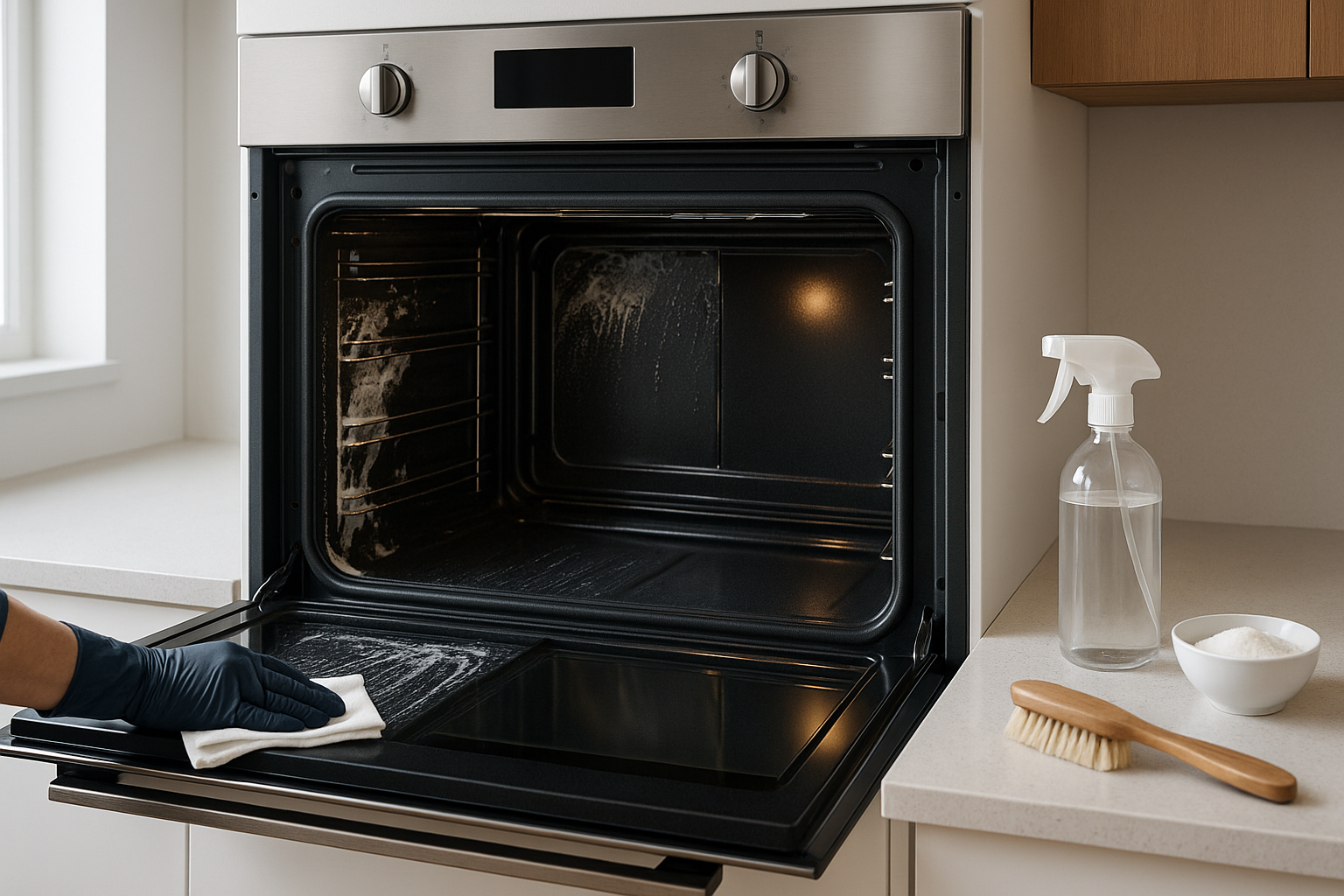
By 10.10 a.m., the beds are stripped and the dishwasher is running. The cleaner tackles the bathroom first to allow descaler on the shower screen to work while they clean the kitchen. They degrease the hob, empty the crumb tray in the toaster, check the microwave ceiling for splatters, and wipe cupboard fronts. Rubbish goes out to the correct bins, not left in the communal hallway.
At 11.30 a.m., beds are remade with pressed linen and towels are folded hotel style. The cleaner vacuums, mops with a low-moisture solution safe for engineered wood, and dusts skirting boards. Cushions are fluffed and rotated to avoid wear patterns. A missing TV remote battery is replaced from the supply cupboard.
At 12.30 p.m., they stage the space, take standard-angle photos, and complete a quick report. Two maintenance notes go to the host: the bathroom extractor is noisy and the blind cord in the bedroom is fraying. With everything documented, the flat is ready by 1 p.m., leaving a buffer in case the arriving guest is early.
Limescale build-up on shower glass is one of the fastest ways to make a bathroom look aged. Weekly descaling, plus a squeegee left for guests with a polite note, keeps it clear. Hard water is relentless in Cambridge, so prevention is better than heavy scrubbing later.
Dust on high surfaces shows quickly in bright rooms. Rotate deep-dust tasks on a schedule. Hit curtain poles, picture frames, wardrobe tops, and under-bed areas at least monthly, more often if your calendar is packed.
Bins can undo a perfect clean. If collection does not align with checkout, arrange off-cycle bag removal or book a small private pick-up during peak weeks. No one wants to meet last week’s rubbish on arrival.
Linen shortages derail turnovers. Maintain at least two full sets per bed, three if storage allows during graduation season. Track items by set so you know when to retire them. Replace discoloured towels before guests notice.
Missing consumables create awkward first minutes. Keep a checklist of items that must always be present, from loo roll to coffee pods if you offer them. A small storage box with backups prevents last-minute corner-shop dashes.
Spring and early summer bring visitors for open days, river life, and city walks. May and June often see family bookings around college events, and late summer draws tourists exploring East Anglia. Autumn fills with conferences and business travel. Your cleaning operation should flex ahead of these waves.
Block extra cleaning slots on Fridays and Sundays in advance. Pre-book deep cleans at the edges of peak months. Confirm parking permits for cleaners in restricted streets and share any temporary road closures. Increase linen stock before suppliers get squeezed by hotel demand.
Update listing photos after a deep clean and minor refresh. Fresh caulk lines in the bathroom, descaled glass, and crisp bedding show in images and bookings follow.
In Cambridge, reliable, detail-focused cleaning is part of the hosting strategy, not an afterthought. When your serviced accommodation cleaning runs on a clear checklist, smart timing, and local know-how, guests walk into a space that feels simple, calm, and well cared for. That feeling travels straight into reviews and keeps your calendar busy through quiet weeks and peak surges alike.
Choose a partner who understands serviced accommodation cleaning Cambridge, not just domestic tidying. Invest in clear standards, efficient linen logistics, and honest reporting. The result is predictable turnovers, fewer headaches, and a listing that looks as good on arrival as it does in your photos.