April 8, 2026
April 7, 2026
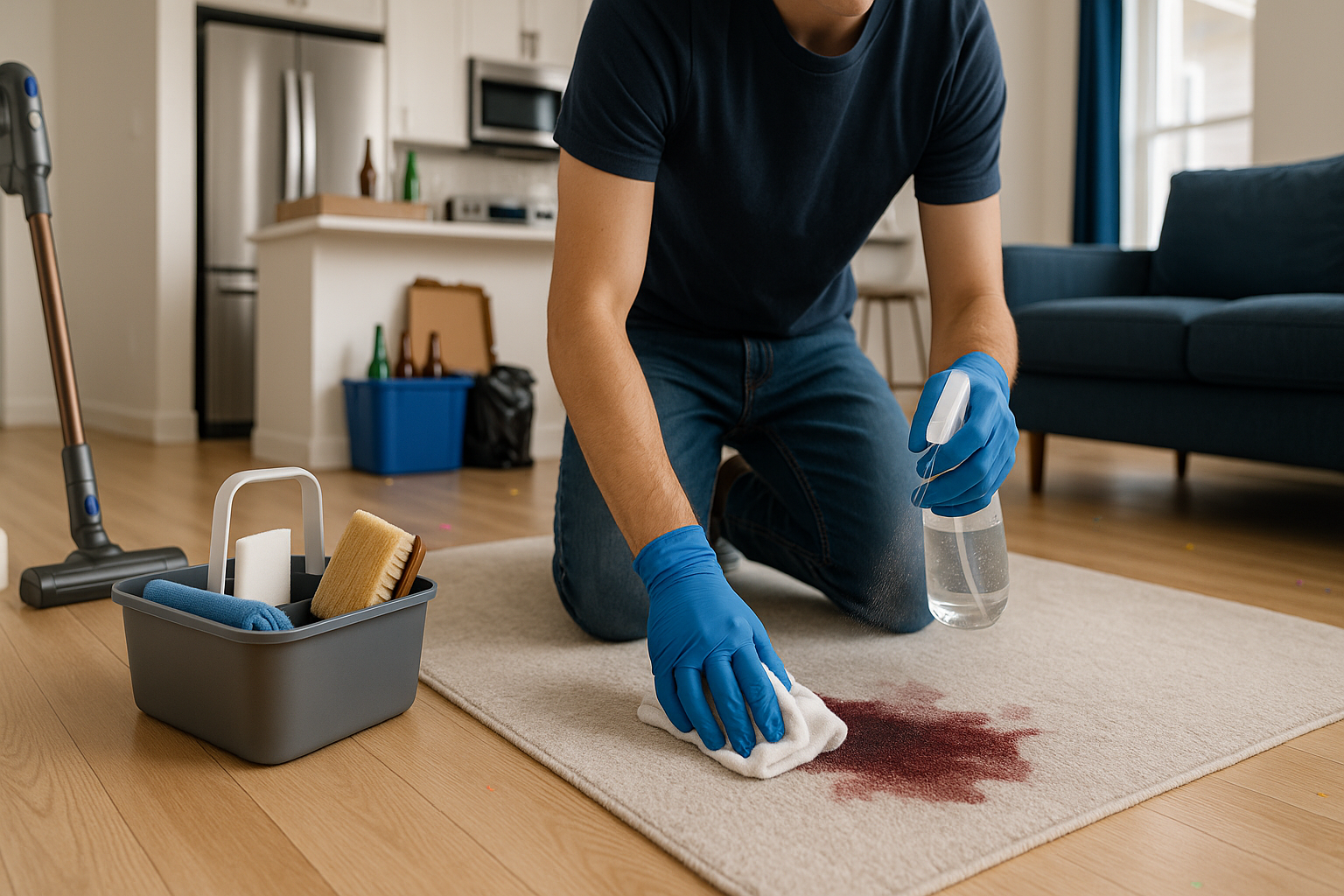
You wake up to a quiet apartment that smells like citrus, beer, and a hint of regret. The floor is sticky, a crimson dot blooms on the rug, and someone left a trail of chips from the kitchen to the balcony. It was a great night. It will not be a great deposit refund if you do not get smart about the cleanup.
Hosting in a rental can be nerve-racking once the music stops. Landlords are quick to charge for deep cleaning, carpet extraction, or smoke remediation when they think routine maintenance will not cover it. The good news is that most post-party messes look worse than they are. With a clear order of operations and the right techniques for rental-safe surfaces, you can restore your place quickly and keep your money where it belongs.
Below is a practical plan for how to clean after a party in a rental, what to tackle first, and how to solve the messes that most often trigger charges.
Speed matters, but sequence matters more. The priority is anything that can set, stain, or smell. Open windows for airflow, then move fast on stains and odors while you corral the chaos.
If you still have energy the night of the party, do a 20 minute triage. Bag visible trash, load a first round of dishes, blot any fresh spills, and take out the kitchen garbage. Those four things alone prevent half of tomorrow’s pain.
Morning is for the deeper reset. Start by getting soft items that hold odor into the wash. Runner rugs, throw blankets, pillow covers, and hand towels make a bigger difference than you think. Put a clean sheet over the couch while you work so you do not grind dirt into upholstery.
Keep your supplies simple and surface-safe:
Aim to finish critical tasks in the first 6 hours. Odors are much harder to chase after a full day. Photos are your friend. If you notice damage that might become an issue, take a clear picture before and after you repair it.
Removing clutter buys you space and momentum. Start with a sweep of the main living areas. Work clockwise through each room so you do not double back.
Consolidate recycling and trash into separate sturdy bags. Bottles are heavy, so double-bag them, and rinse anything sticky so your building bin does not reject the lot. Empty all small cans into the main trash before you take it out. Food left in small bathrooms or bedrooms will smell by noon.
Load the dishwasher strategically. Big platters first, then glasses. If you are short on rack space, soak extra glassware in a sink of hot water and a drop of dish soap, then rinse and air dry. Do not forget the hidden zones where messes collect. Under the couch, balcony corners, the entry bench. These are easy to miss and often where landlords notice neglect.
Stains are the number one trigger for extra cleaning charges. Act quickly and stay gentle. Rubbing forces pigment and dirt deeper into fibers, so always blot and lift first.
For red wine on light carpet or rugs, blot hard with a dry cloth to remove as much liquid as possible. Then apply club soda or a mix of one part hydrogen peroxide to one part water with a few drops of dish soap. Test in an inconspicuous spot first. Dab and lift, do not scrub. Rinse with a damp cloth and blot dry.
For colored or dark carpets, skip peroxide unless you have tested for colorfastness. Use cool water with dish soap or a dedicated carpet spot cleaner. Blot until the stain lifts, then weigh the area down with a dry towel to wick moisture out.
Beer, milk, and vomit are protein-based and can smell if not treated. Use an enzyme cleaner made for pet messes even if you do not have a pet. Saturate the spot, let it dwell as directed, then blot. Enzymes break down odor-causing proteins that regular soap leaves behind.
Grease on upholstery responds well to a small amount of dish soap mixed in warm water. Lightly agitate with a soft brush, then blot with a clean damp cloth. Never soak a cushion unless the cover is removable and machine washable.
Candle wax on carpet or fabric can be removed two ways. For a fresh spill, chill it with ice in a plastic bag until the wax hardens, then chip away gently with a dull knife. For thin residue on hard surfaces or fabric, place a paper towel over the wax and warm it with a low iron or hair dryer. The paper will absorb the melt. Finish with a light clean.
Chewing gum or confetti embedded in fibers can be lifted with ice and patience for gum, and a vacuum hose with a brush for confetti. Follow with a lint roller or painter’s tape to catch glitter. A regular upright vacuum often scatters small party debris, so use the hose and crevice tool instead.
If a stain refuses to budge, stop before you damage the fibers. Mark the spot, cover it with a clean towel to prevent tracking, and plan to rent a small carpet extractor or call a professional if the area is prominent.
Sticky floors are a party’s calling card. They also carry risk if you over-wet wood or laminate.
For hardwood, vacuum first, then use a barely damp microfiber mop with a pH-neutral cleaner labeled safe for wood. Work in small sections and dry as you go. Avoid vinegar on finished wood because repeated use can dull the finish. If you notice heel scuffs, a melamine sponge used lightly often erases them, but test first since it can reduce sheen.
Laminate and luxury vinyl plank want the same light-touch approach. Too much water can seep into seams. Use a damp mop, not a sopping one, and a cleaner approved for the surface.
Tile and stone can handle hotter water, but be cautious with vinegar on natural stone. For tile, a bucket of hot water with a tiny amount of dish soap cuts sticky film fast. Rinse with clean water so the floor does not dry dull. If grout looks dingy around a kitchen island, a soft brush and baking soda slurry lift residue without harsh chemicals.
Pay attention to entryways. Grit from shoes scratches finishes, and it collects near doors. Pull up any small mats and clean underneath.
Kitchens pick up the kind of mess that seems fine today and turns sour tomorrow. Start with counters and high touch areas. Wipe backsplash tiles, appliance handles, and the outside of the fridge where hands gravitated all night.
Empty the sink strainer and run hot water to clear the drain. If your garbage disposal smells off, run it with a handful of ice and a wedge of lemon. Ice dislodges gunk from the blades, and citrus freshens without bleach.
Sticky shelves in the fridge or a spilled drink in the freezer are common. Remove shelves if you can and wash them in warm soapy water. Dry thoroughly to avoid water dripping onto crisper drawers.
Do not forget the floor under the table and the sides of the island. Drips run under overhangs where most people never look. A quick wipe now prevents sugar ants later.
If you deep fried or cooked strongly scented food, crack a window and simmer a pot of water with a few citrus peels and whole cloves for 20 minutes. It neutralizes lingering oil smells without masking them.
Bathrooms tell on us. Landlords notice grime around toilet bases and in corners behind trash bins.
Start from the top. Mirrors first, then counters and faucets. Work down to the toilet, exterior first, then seat, then bowl. Wipe the floor around the base where drips and dust meet. Swap out hand towels and restock toilet paper. Clean the switch plate and door handle. These are small details that make the whole room feel clean.
If a shower was used, clear hair from the drain and run hot water to flush soap film. A quick pass with a squeegee or microfiber cloth keeps glass from spotting.
Walls take a beating from bags, shoes, and furniture shifts. Most scuffs come off with a drop of dish soap on a damp cloth. For stubborn marks, a melamine sponge works, but go gently. It is slightly abrasive and can dull flat or satin paint if you scrub hard.
Sticker residue from cups or party decor lifts with a citrus adhesive remover. Let it sit for a minute, then wipe clean. If you used removable hooks for decorations and pulled off a bit of paint, a tiny amount of lightweight spackle and a steady dab of touch-up paint can make it disappear. Match paint with leftover cans or a color chip from an inconspicuous area. If you cannot match it, a gentle clean is better than a visible patch.
Door frames and baseboards collect shoe marks. A quick wipe changes the whole look of a hallway and signals care if your landlord or superintendent ever stops by.
Odors trigger complaints and cleaning fees even when a place looks clean. Attack smells in layers.
Ventilation is first. Cross-ventilate with windows open on opposite sides for at least 30 minutes. Replace HVAC filters if they are overdue, then run the fan to cycle air.
Textiles trap most of the odor. Wash throws, pillow covers, and shower curtains on the warmest safe setting. Sprinkle baking soda on rugs and carpets, let sit for an hour, then vacuum slowly. If guests smoked, wash or air out curtains, and wipe hard surfaces with a 1 to 10 vinegar to water solution, then rinse with a damp cloth. Vinegar neutralizes smoke residues, but do not use it on natural stone or wood finishes.
Activated charcoal bags help with stubborn smells in closets or near the entry. Place bowls of white vinegar overnight on high shelves to absorb odors. If the smell is heavy and localized to upholstery, a small ozone machine is tempting, but they can be risky in a rental and can damage rubber and certain textiles if misused. A professional deodorizing service is safer for severe cases.
If your rental has a balcony, patio, or entry shared with neighbors, clean it. Sweep up cigarette butts and food crumbs. Wipe the railing where drinks sat. Shake out doormats and check that no trash drifted down stairwells or into the elevator. Buildings bill residents for common-area cleaning when party debris is obvious, and those charges can be added to your account.
If you notice scuffs in a hallway from moving furniture, a damp cloth usually removes them. If not, notify building staff and offer to address it promptly. A small courtesy can head off a fine.
Once everything looks and smells right, take a few photos of the main rooms. If a landlord claims a mess or stain later, you will have time-stamped proof of the condition after you cleaned.
Call a professional when a problem threatens to become expensive or permanent. That includes large carpet stains in prominent areas, smoke odor that lingers after a full clean, broken glass embedded in carpet, or water rings on wood that did not lift with safe methods. A basic carpet extraction for one room often costs less than a portion of a deposit, and a receipt shows you acted responsibly.
If something broke that belongs to the landlord, communicate early. Offer to repair or replace with a like item, and follow through quickly. Document the resolution. Surprises at inspection are what drive punitive charges.
A little setup makes the next morning painless. Put a stack of coasters on every surface where people gather. Use washable tablecloths and machine-washable throw pillow covers on party night. Park a recycling bin and a lidded trash can in obvious spots so guests do not leave bottles in odd places. Designate a smoking area outdoors with a sand-filled can. Line the bathroom trash with a fresh bag and set an extra roll of toilet paper in plain sight.
If you live above neighbors, use a rug or two in high traffic zones. They protect floors and soak up the noise. They are also easier to clean than wall-to-wall carpet.
Cleaning after a party in a rental does not need to be a panic. Prioritize what can stain or stink, work room by room, and use surface-safe methods. Most of what looks catastrophic at 8 a.m. is forgiving by noon with the right approach. Take a few photos once you are done, and enjoy the quiet. Your deposit should be just as secure as it was before the first guest knocked.