April 8, 2026
March 27, 2026
Guests decide how clean your place is in about four minutes. If they spot streaky glass, a stray hair on the pillow, or a smudge on the fridge door, the rest of their stay feels a little off. In Cambridge, where guests range from visiting academics to families on a once-a-year city break, standards are precise and time windows are tight. Getting holiday let cleaning right is not just about sparkle, it protects your reviews, your return bookings, and your profit.
This guide sets out what professional holiday let cleaning in Cambridge really involves. It explains the service types you should expect, how to choose a reliable partner, what affects pricing in this city, and how to run fast, flawless changeovers without burning out or burning through budgets.
Cambridge draws discerning visitors. People come for interviews, conferences, festivals, rowing, and the charm of college courtyards. They notice details. That translates into firm expectations around cleanliness and presentation.
Short lets in the city also face pressure on timing. Trains funnel guests in for early check-ins, check-outs cluster around 10 a.m., and narrow streets can slow access for cleaning teams. Many properties are older or listed, which calls for careful product choices and patient work. Then there is the impact of hard water on taps and shower screens. It all adds up to a market where solid process beats good intentions every time.
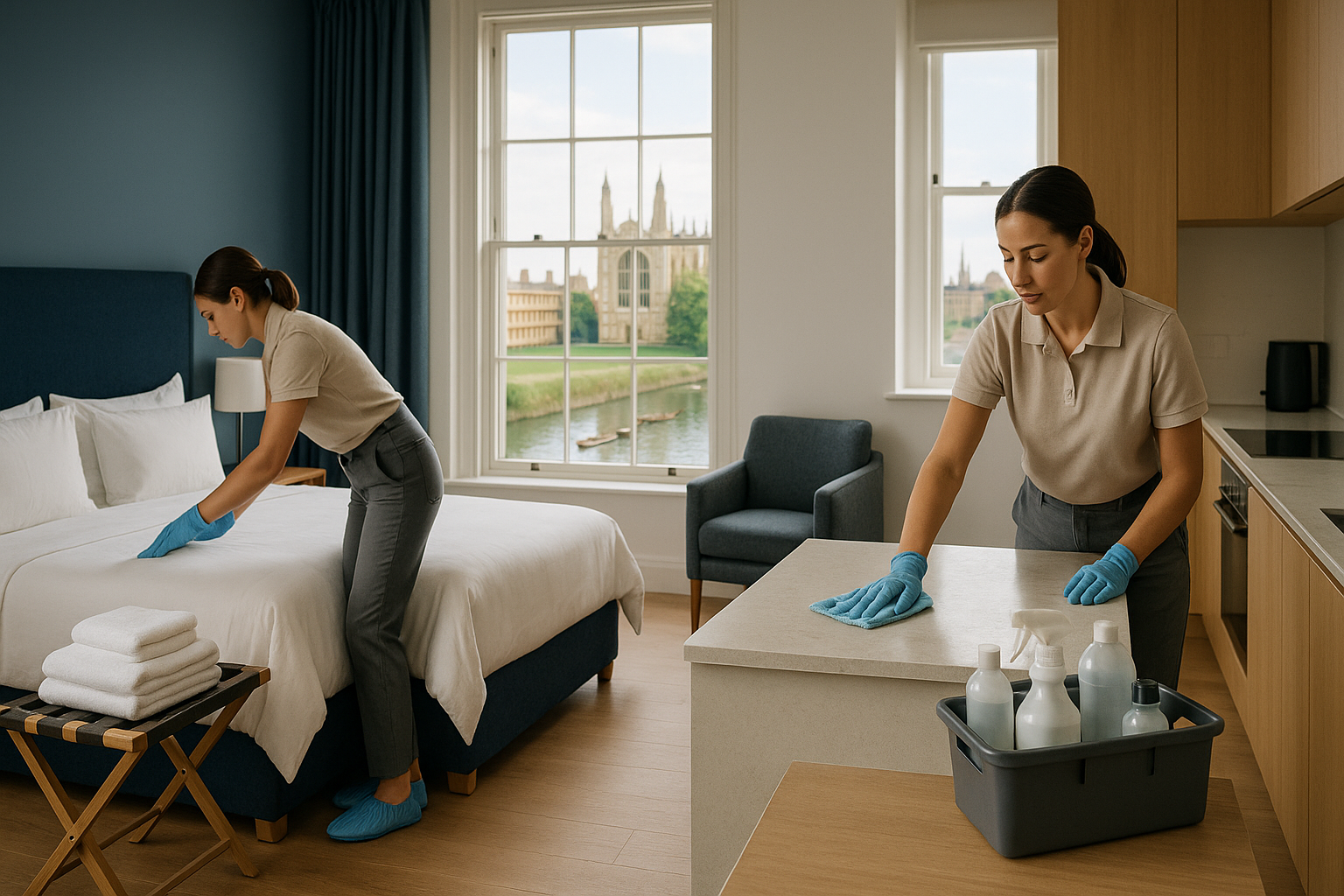
A changeover clean is the bread and butter of holiday letting. It resets the property for the next guest, usually between late morning and mid-afternoon. A competent team works from a structured checklist that covers both hygiene and presentation.
Kitchens get the most scrutiny. Surfaces are degreased, appliances are wiped inside and out, extractor hoods are dusted, and the sink area is descaled. Crockery and pans are checked for cleanliness and chips, and the bin is emptied and sanitised. If you provide a welcome basket, it is refreshed and staged rather than left as an afterthought.
Bathrooms need attention to limescale and glass. Taps, showerheads, and screens are treated for mineral buildup, grout is scrubbed, mirrors are polished, and drains are checked for hair. Towels are fluffed and folded consistently. A subtle detail, like aligning toilet roll neatly, signals care.
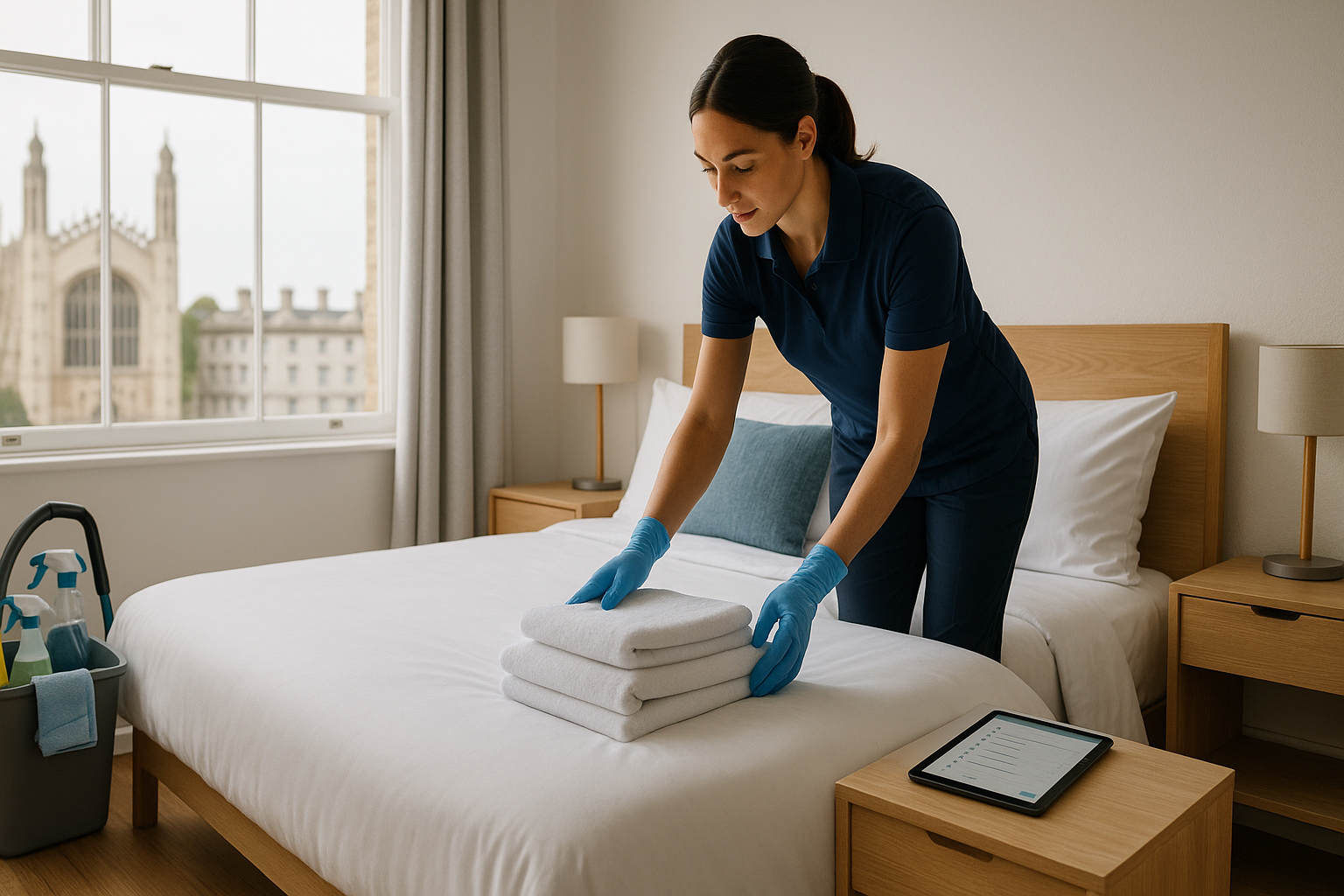
Bedrooms are about crispness and calm. Beds are fully stripped, protectors are checked and replaced if soiled, mattresses are spot-cleaned if needed, and new linen is pulled tight with pillowcases facing cleanly outward. Under-bed dust is removed and wardrobes are checked for left-behind items. Curtains are shaken and rehung evenly.
Living spaces need both dust removal and staging. High-touch points like remotes, handles, and switches are sanitised. Sofas are vacuumed, throws are folded, cushions are plumped to a consistent shape, and coffee tables are cleared of fingerprints. Windows and patio doors are cleaned on the inside, with exterior smudges tackled where safe and accessible.
Outdoor areas set first impressions. Pathways are swept, plant pots are righted, and furniture is wiped dry. Bikes and muddy boots are common around Cambridge, so a door mat that actually traps grit is worth its space.
Finally, a professional clean includes a reset of consumables. Hand soap, washing-up liquid, dishwasher tablets, toilet paper, bin liners, and tea or coffee portions are replenished to a property-specific standard. The team completes a visual sweep for damage, stains, or missing items, then documents everything with time-stamped photos. This creates a clear digital trail if a dispute arises later.
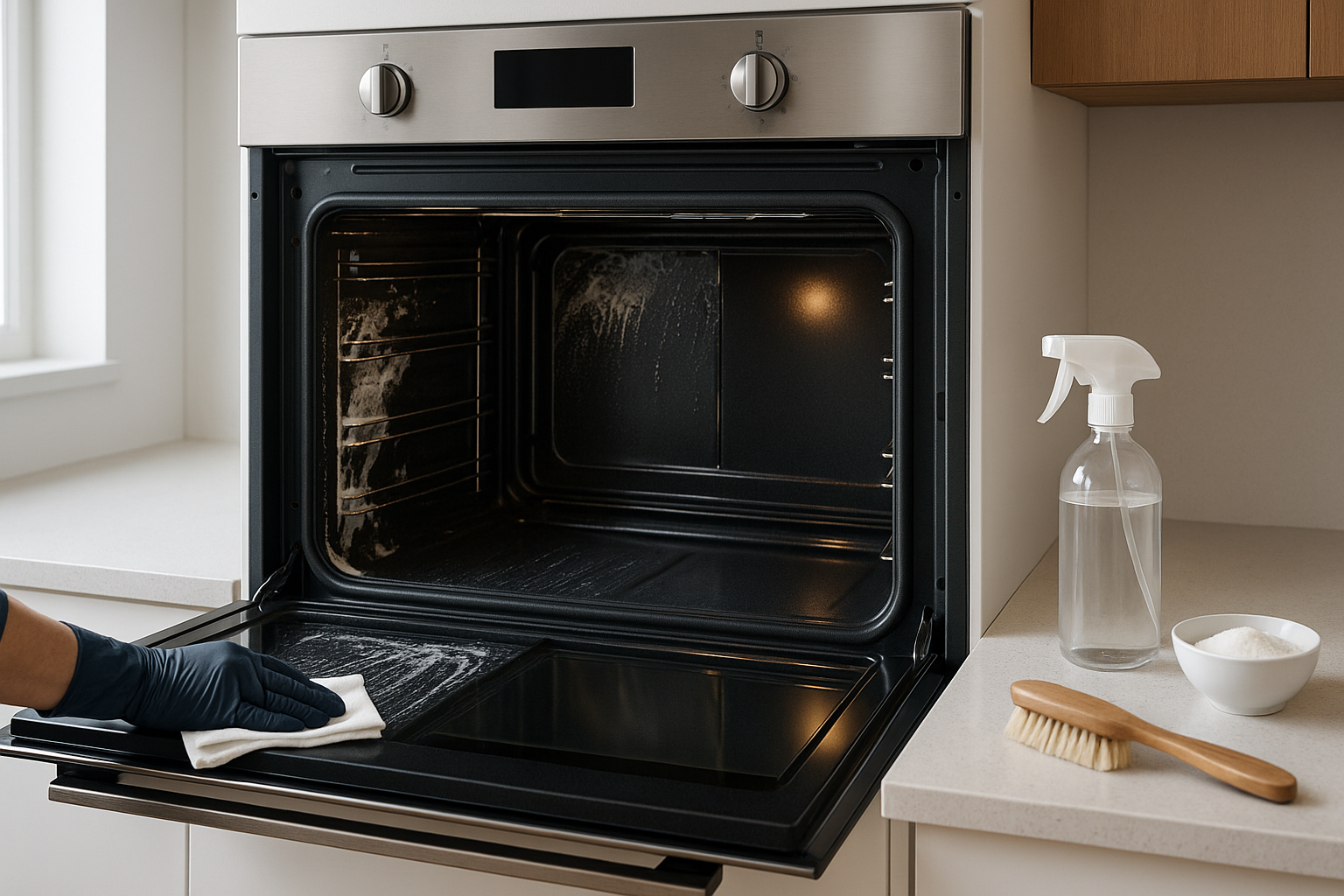
Not every clean is a changeover. Most Cambridge properties benefit from a quarterly deep clean that goes further, especially thanks to hard water and older buildings. Ovens and extractor filters are degreased, behind-appliance areas are pulled out and scrubbed, skirting and radiators are detailed, and scale is removed from showerheads and taps. Upholstery is shampooed or steam-cleaned, mattress sides are vacuumed, and windows are washed inside and out where practical.
Mid-stay cleans suit longer bookings. They are lighter than a changeover, focusing on bathrooms, kitchen surfaces, floors, and a towel and linen refresh. These visits keep wear and tear under control and prevent a deep clean from becoming a full restoration job.
Cambridge has quirks that affect cleaning time and technique. The water is hard, which means scale appears fast on shower glass and taps. Plan for regular descaling and use products that remove minerals without eating through chrome or stone. Some properties sit in conservation areas or have listed features, so avoid abrasive pads or acidic cleaners on original floors, fireplaces, and sash windows.
Access can be tricky. Terraced streets near the centre have restricted parking, and service vehicles cannot linger. Agree key collection and parking plans in advance, and factor walking time into the schedule for cleaners moving equipment between properties.
The wind carries pollen and dust along the river and across open spaces. Balconies and window sills collect grime quickly in peak season. A quick wipe as part of each changeover can save complaints later.
Finally, Cambridge residents are generally environmentally conscious. Guests often read labels and notice strong synthetic fragrances. Many hosts choose eco-certified products and fragrance-free options for bedding to respect allergies.
Look for a company that specialises in short-term rental turnovers rather than general domestic work. Turnover cleaning involves choreography, not just chores. Ask about their average changeover time for a one-bedroom flat and a three-bedroom house, how they handle same-day back-to-backs, and how they manage laundry when the dryer gives up on a rainy Tuesday.
Insurance matters. A professional firm carries public liability insurance, evidences COSHH-compliant product handling, and trains staff in safe systems of work. In occupied blocks, DBS-checked staff reduce risk and reassure neighbours. Clarify who the team members are, whether the company uses employees or subcontractors, and how they supervise quality.
Technology supports reliability. The strongest providers use digital checklists with photo uploads, time tracking, and instant reporting to the host. They integrate with booking calendars or at least accept automated job notifications. They send completion reports when the clean is done, ideally with staged photos of key rooms and any maintenance flags.
The best partners are equal parts careful and commercial. They will suggest tweaks that save time without lowering standards, such as using zipped laundry bags for bedding sets, colour-coding cloths to reduce cross contamination, and stocking a discreet lockable cupboard onsite with property-specific supplies.
Rates in Cambridge vary by property size, location, parking, and the level of staging required. As a broad guide, a standard changeover for a compact one-bedroom flat typically sits in the £55 to £80 range for labour, with laundry and linen either included or charged per set. A two-bedroom property might fall between £80 and £120. Larger townhouses can run from £120 to £180 or more if there are additional bathrooms, multiple floors, or outdoor spaces.
Laundry is often the swing factor. Onsite washing can appear cheaper but risks delays if turnover windows are tight. Offsite laundering and linen hire bring consistency, with per-bed pricing commonly between £10 and £18 for a full set that includes duvet cover, sheet, pillowcases, and towels. Designer or specialty linens cost more and take longer to process.
Expect surcharges for bank holidays, late-night callouts, or properties with restricted access. Parking fees near the city core can appear on invoices. Some firms include basic consumables like bin liners and cleaning products, while others bill these at cost or add a small margin. Transparency is the test. A clear, itemised quote helps you compare providers on a like-for-like basis.
Imagine a two-bedroom flat off Mill Road with a 10 a.m. checkout and 3 p.m. check-in. A realistic breakdown might be £95 for the clean, £28 for two bed sets and towels, and £6 for consumables, plus £4 for parking. You end up at £133, with a three-hour on-site window and laundry collected for next-day processing.
Most complaints trace back to fuzzy briefs. Create a simple property guide that travels with each job. Include access details, Wi-Fi for smart devices, appliance quirks, and what perfect looks like in each room. Photograph the staged look for cushions, beds, and the welcome tray. List linen sizes by bed. State the number of toilet rolls to leave and where to place spare bin liners.
Build a one-page escalation plan for issues. If there is a stain that will not lift, who decides whether to change the duvet? If a glass breaks, where are the spare sets? What is the spending limit for urgent replacements before they call you? Small decisions cost minutes, and minutes matter during back-to-backs.
Store enough linen onsite for at least two full turns per bed. This cushion against late laundry returns and wet-weather drying delays is worth far more than it costs. Keep a labelled, lockable cupboard for guest consumables and property supplies. Replace specialty items quickly so the team is not forced into improvised staging that unravels your brand.
Speed comes from sequence, not rushing. A proven approach starts with airing rooms and stripping beds, then sets laundry moving if you wash onsite. Bathrooms soak with descaler while kitchens are degreased. High dusting and vacuuming happen before final surface wipes to avoid rework. Glass and mirrors come last, then staging and a final walk-through from the front door with fresh eyes.
Back-to-back bookings create stress when a guest checks out late or leaves a bigger mess than expected. This is where triage helps. The team identifies anything that needs dwell time at the start, such as oven cleaner or stain remover, then moves on while it works. They photograph any damage immediately and message you with options, such as using a spare chair from storage or swapping a duvet insert.
Staging is not fluff. Straight towels, centred cushions, and aligned chairs help photos match your listing and keep perception of cleanliness high. Scent is subtle. Fresh air and neutral cleaners beat overpowering sprays that trigger allergies and mask problems.
Guests now rate cleanliness explicitly. On Airbnb, those stars drive your search position and your status as a top host. Booking.com tracks cleanliness separately and guests read those comments first. If your scores dip, you pay for it with fewer bookings or lower achievable rates.
Set your cleaning fee to reflect real costs, not wishful thinking. Hiding fees inside nightly rates can work, but transparency prevents shock at checkout pages. If you ask guests to do light tasks, keep them modest. Putting used towels in the bath, running the dishwasher if possible, and turning off lights is reasonable. Asking for full cleans creates friction and rarely saves you money.
A significant portion of Cambridge visitors appreciate or require a thoughtful approach to health and the environment. Choose microfiber cloths with a colour system to reduce cross contamination. Use a HEPA-filter vacuum to capture fine dust and pollen. Offer fragrance-free detergent for bedding, and avoid heavy fabric softeners that leave residues and strong scents.
Balance eco goals with hard water reality. Plant-based descalers can work, but you may need periodic use of stronger acids on shower glass and kettle elements. Rinse thoroughly and ventilate well. Provide mattress and pillow protectors, then wash them on rotation to extend life and maintain allergen control.
Cambridge has a seasonality pattern that rewards planning. Peak spring and early summer bring academic events and visitor spikes. May and June can be relentless, so schedule a deep clean before that run. Mid-late summer is busy with tourists and families. Early autumn often settles, which makes it a smart time for window cleaning, carpet shampooing, and paint touch-ups. Winter provides chances for more invasive jobs like oven strip-downs and bathroom reseals, as long as you maintain enough availability for festive bookings.
Create a maintenance checklist that travels with the deep clean. Descale showerheads, flip mattresses, clean behind appliances, wash curtains or steam them, tighten door handles, test smoke and carbon monoxide alarms, and check grout and sealant. Photographs before and after provide proof for your own records and reduce disputes with guests who claim pre-existing issues.
Take a one-bedroom apartment near the station with a 10 a.m. checkout and a noon check-in request. The only way to say yes without breaking quality is to pre-stage. Keep a full spare linen set bagged and labelled, stock an extra towel set, and keep travel-sized amenities ready. The cleaner strips and bags linen in five minutes, wipes the bathroom while descaler works, resets the bed, and focuses on kitchen touchpoints and floors. The guest gets in at noon to a fresh, tidy space, and the cleaner returns later to complete the oven and balcony if needed. Communication sets expectations and keeps standards intact.
Now consider a four-bedroom townhouse near the river, three bathrooms, and a patio that collects leaves. The provider assigns a two-person team for a four-hour window. One leads bathrooms and patio, the other tackles kitchen and bedrooms. They work from room-by-room photos to match staging. Laundry goes offsite because volume and drying space are tight. The host keeps an onsite cache of backup duvets and a side table to replace breakages instantly, which protects the afternoon check-in and the property’s look.
Every property has quirks. Document them. If the induction hob needs a particular unlock sequence, write it down. If the downstairs light trips the breaker, note which fuse to flip. Mark bin store locations on a simple map with access codes and collection days. Confirm parking permits, loading bays, and any neighbour sensitivities.
Appliance manuals matter more than you think. Place clean, labelled copies in a folder or shared drive. Include paint colours for quick touch-ups, grout or sealant brands for bathroom consistency, and instructions for any smart home devices. Keep a short contacts list for emergencies such as a plumber or locksmith, with permission levels and spend limits.
Small habits like these stop surprises from spilling into the clean and keep everyone focused.
Professional holiday let cleaning in Cambridge is part method and part mindset. The method is clear checklists, realistic time windows, the right products for local conditions, and reliable laundry logistics. The mindset treats cleaning as hospitality and risk management. Done well, it builds five-star reviews, smoother operations, and repeat bookings from guests who feel cared for.
Choose a partner who knows short lets, not just houses. Set standards in writing, give your team the tools to hit them, and schedule deep cleans around the city’s rhythms. Then let the little details speak for you, from spotless glass to crisp sheets. In a market as exacting as Cambridge, those details do the heavy lifting.