April 10, 2026
April 11, 2026

Guests rarely remember how fast your Wi‑Fi was, but they always remember the sparkle of the sink, the fresh linen on the bed, and the faint scent of a just‑cleaned room. In a city as competitive as Cambridge, those small details can turn a good review into a great one. If you have ever typed holiday let cleaners near me Cambridge in a hurry after a surprise back‑to‑back booking, you already know that reliable help is the difference between a calm changeover and a scramble.
Holiday rentals move quickly. Check‑outs before 10am, new arrivals at 4pm, and everything has to be perfect in between. This guide explains exactly what a trusted local team in Cambridge should provide, how to compare options, what realistic pricing looks like, and how to set up a smooth operation that protects both your reviews and your sanity.
Cambridge welcomes guests from all over the world, from visiting academics to families touring the colleges. Many are seasoned travelers with high expectations. A property that looks lovely in photos but falls short on cleanliness will collect harsh feedback faster than you might think. Cleanliness touches every part of the guest experience. It sets the tone at arrival, it reassures guests about hygiene, and it frees them to enjoy the city rather than hunt for a sponge.
Competition also raises the stakes. Within the same neighborhood, potential guests compare location, price, and recent reviews. Cleanliness ratings often act as the tie breaker. In short, a flawless changeover is not a nice‑to‑have. It is part of your core product.
Typing holiday let cleaners near me Cambridge will return dozens of options, but short‑let cleaning is its own craft. The right team offers hospitality thinking, not just domestic cleaning. Look for proof of reliability first, then for systems that keep standards consistent when you are not on site.
Ask about changeover experience. The best teams work to a property‑specific checklist, handle back‑to‑backs without fuss, and understand that presentation is as important as sanitising. Pillows fluffed the same way every time, towels folded consistently, glasses lined up neatly in the cabinet. Detail builds trust.
You also want infrastructure that supports speed and accuracy. That means calendar integration with your booking platforms, photo reports after each clean, and a supervisor spot check when time allows. Insurance, references, and staff vetting are non negotiable. For central properties, check that they can manage parking or use bikes to dodge traffic. For rural cottages, confirm they bring everything needed on site.
Finally, assess communication. A good local team will ask the right questions about access, spare linen, appliances that need a gentle touch, and any odd quirks. They will be clear about what is included, how they handle damage reporting, and when they escalate an issue.
A holiday let changeover has a rhythm. The team arrives with linen and supplies, opens windows for ventilation, and starts with the big hitters: bathrooms and kitchen. Bathrooms are descaled, taps polished, mirrors streak‑free, grout checked, and extractor fans dusted. In the kitchen, all worktops and handles are sanitised, the sink and hob are detailed, the microwave is wiped inside and out, and any crumbs are cleared from drawers. The fridge is cleaned, including seals, and old food removed. If you offer a welcome basket, it is restocked to your exact brief.
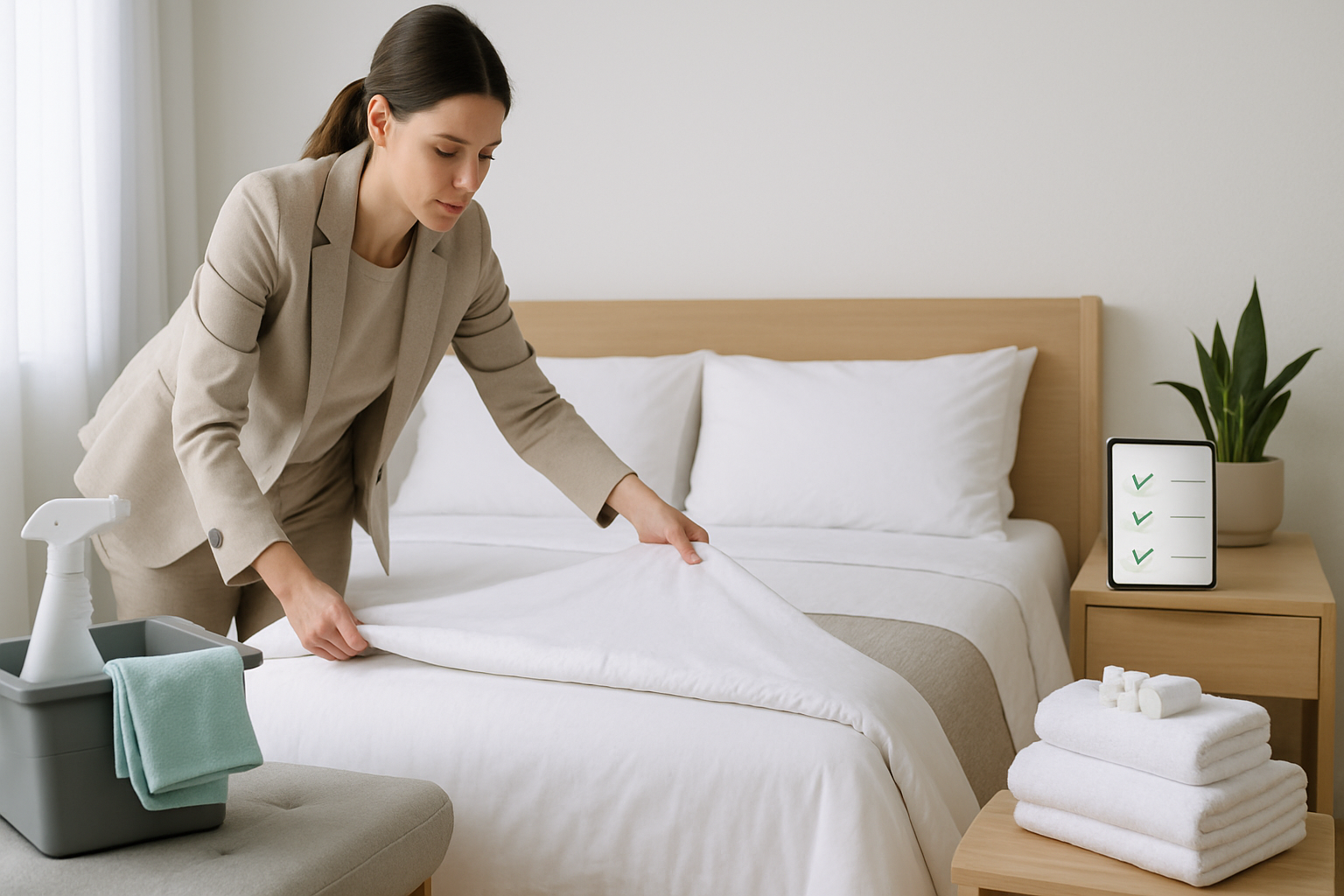
Bedrooms need both efficiency and care. Mattresses are checked for stains and rotated on schedule, protectors replaced as needed, and beds made tightly with crisp corners. Living areas are dusted high to low, including skirting boards, light fittings, and picture frames. Sofas are vacuumed under and between cushions. Floors are vacuumed or mopped according to surface. Windows and patio doors are polished where reachable. Bins are emptied and relined. Outdoor spaces get a sweep, chairs wiped, and cobwebs cleared.
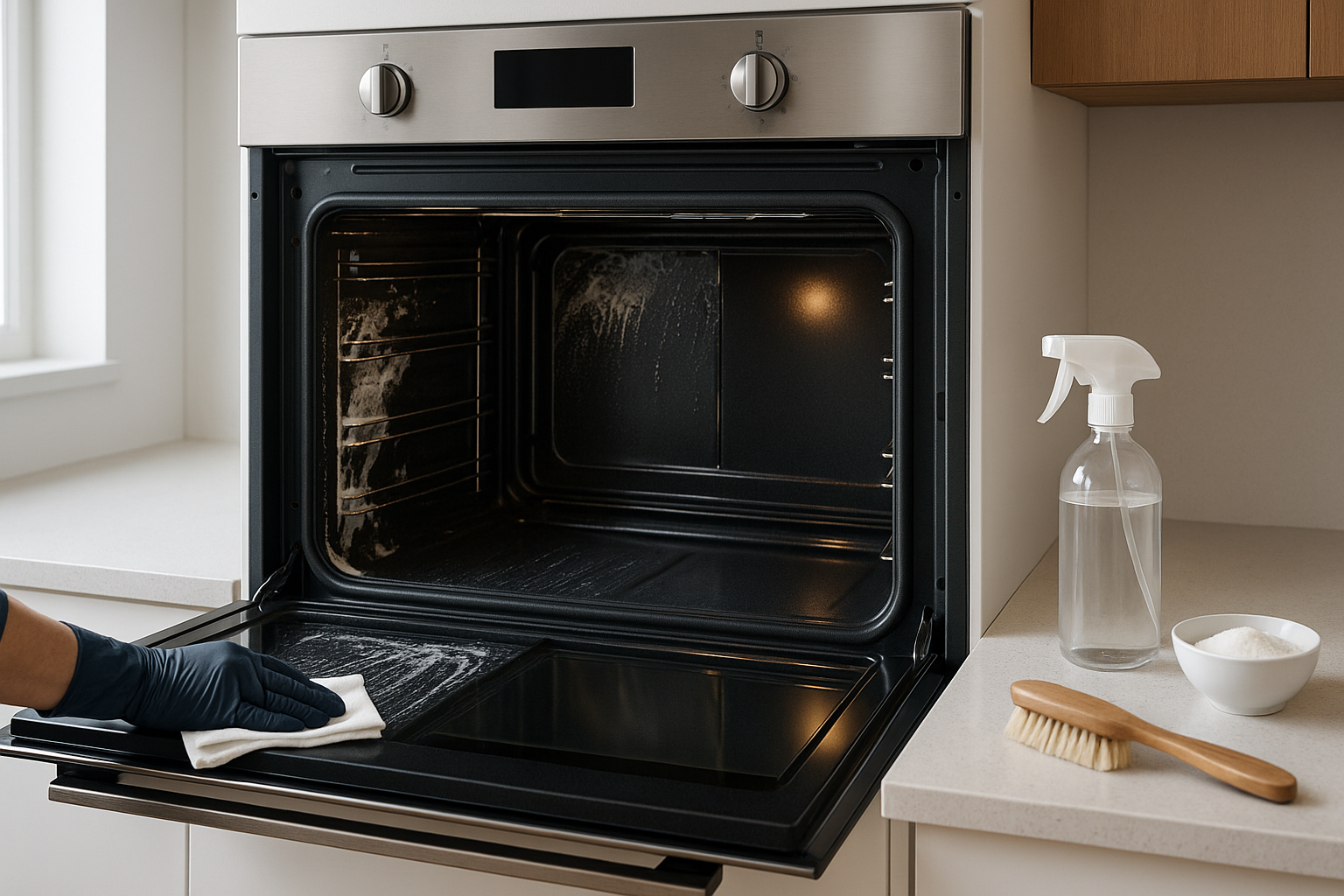
Many teams offer optional extras that keep a property in top shape. Oven detailing, carpet or upholstery cleaning, limescale treatment for shower heads, and deep cleaning between busy seasons. Some properties with hot tubs or wood burners ask for specific routines, and a local team should be able to accommodate those with sensible scheduling.
Linen logistics can make or break turnarounds. Leaving washing to run on site is risky. A professional setup brings pre‑laundered, pressed sets and removes used linen immediately. Bed size, pillow type, and towel quantities are logged, then bagged and labeled to prevent mix‑ups. White cotton is standard because it washes hot and shows cleanliness clearly. Tough stains are treated off site with commercial‑grade products.
If you prefer your own linen, insist on at least two full spare sets per bed and a dedicated storage area. That simple buffer absorbs late check‑outs and power cuts without drama. For longer stays, schedule a mid‑stay linen change, ideally during the cleaner’s regular route to keep costs reasonable.
Guests appreciate useful basics. Tea and coffee, a few dishwasher tablets, fresh bin liners, and enough loo roll to get through the first day. Your cleaners can track inventory and restock items you specify. Many owners choose eco toiletries in refillable bottles to cut waste. Others prefer travel‑size bottles sealed for hygiene. There is no single right answer, but consistency matters. Clear standards avoid awkward shortfalls.
Systems keep standards steady. A digital checklist for each property captures completed tasks and any notes. Before and after photos document presentation, especially for high‑risk areas like the oven or patio. When cleaners find damage or heavy wear, they flag it with photos and a timestamp. You receive a message promptly, so you can contact the guest while details are fresh.
Spot checks by a supervisor catch small slips and support training. If a guest reports a missed detail, the team should return quickly to put it right. Goodwill repairs reputations faster than excuses.
Rates vary with size, finish quality, parking, and whether your property is central or outside the city. As a guide, a well run team in Cambridge typically prices a studio between fifty and seventy pounds per changeover. A one bedroom sits around sixty to ninety. Two bedrooms often range from eighty to one‑hundred‑and‑twenty. Three bedrooms can reach one‑hundred to one‑hundred‑and‑fifty, with larger houses priced individually. These figures assume a standard clean after a normal stay.
Linen is usually itemised. Expect a charge per bed set that covers sheets, duvet cover, pillowcases, and towels. Many teams price king or super king sets a little higher than doubles. If you request welcome packs, they are often billed at cost plus a small handling fee. Deep cleans, oven detailing, or carpet cleaning come as scheduled extras. Last minute callouts, very late check‑outs, and bank holiday work may carry a surcharge because staffing gets tricky.
The best way to compare prices is to ask for a property visit and a written scope. A transparent quote lists what is included, what is optional, and how long a clean is expected to take. That clarity prevents friction later.
A Cambridge‑based team will usually cover the city centre and surroundings, including Mill Road, Petersfield, Romsey, Newnham, Chesterton, Arbury, Trumpington, Cherry Hinton, Eddington, and Girton. Many also look after properties in Histon, Impington, Milton, Waterbeach, Grantchester, Sawston, Cambourne, and up to Ely or down to Saffron Walden by arrangement.
Parking and access matter. Central streets can be tight on permits and loading times. A team used to the area plans around market days and punting traffic, uses bike trolleys where sensible, and keeps keys in secure lockboxes to avoid delays. Out of town cottages often need clear directions, mobile signal checks, and a note about septic‑safe products if applicable.
If you manage your property from afar, technology is your friend. A trusted local team can sync calendars with Airbnb, Booking.com, or your channel manager using iCal. That way new bookings and cancellations flow straight into the cleaning schedule with automatic assignment.
Clear access comes next. Lockboxes, coded safes, or smart locks remove handover headaches. The cleaners send arrival and departure photos, plus a short condition report that notes anything unusual. Consumables are tracked and reordered to a budget you set. Small fixes, like replacing a lightbulb or a missing corkscrew, can be handled on the spot with a quick approval message, which prevents small issues from becoming guest complaints.
Cambridge guests often care about environmental impact. A good team can clean to high standards with low waste. That may mean concentrated, plant‑based products in refillable bottles, microfiber systems that reduce chemical use, and reusable trigger sprays. Off‑site laundries with modern machines use less water and energy per kilo than domestic washers, and can process loads at the right temperatures for hygiene.
Recycling varies by council, so your cleaners should follow Cambridge City or South Cambridgeshire guidelines on bin colors and collection days. A short note in your guest book that explains where to put glass, cardboard, and food waste keeps everything aligned.
Back‑to‑backs can unravel if you run too close to the wire. Build a thirty minute buffer into your check‑out and check‑in times. That small cushion absorbs late trains, tricky ovens, and a rogue wine stain without pushing cleaners to rush.
Keep two full spare linen sets per bed on site or with your team. Without that buffer, a single delayed laundry run can cause a chain reaction. Create an owner’s cupboard stocked with bulbs, batteries, a spare kettle, and a replacement shower curtain. It saves days of guest frustration for issues that cost only a few pounds to fix.
Communication should be short and specific. A four line message with check‑in time, parking notes, and any sensitive surfaces beats a long manual that nobody reads. If you update house rules, tell both guests and cleaners. Mismatched instructions cause friction.
Finally, schedule a deep clean at least twice a year. High traffic areas like grout, skirting boards, behind appliances, and window tracks benefit from focused attention. Your regular changeovers will run faster afterward.
A polished onboarding makes everything easier. It starts with a site visit to map rooms, note surfaces and appliances, and agree how you want beds dressed and amenities staged. The team photographs the final presentation for reference and builds a checklist from your preferences. Linen sizes and quantities are confirmed, along with storage locations and laundry partner details.
Access comes next. You agree on lockbox codes or smart lock invitations, plus a plan for key emergencies. The cleaners test alarms, note fuse box locations, and check that appliances have instructions. You set budgets for restocking and small replacements, and define who approves what. The first two or three changeovers are treated as calibration runs, with a short review to tweak the checklist. After that, it is routine.
Picture a Saturday with a 10am check‑out and a 4pm arrival. At 10:05 the team arrives with fresh linen and supplies. They ventilate the property, strip beds, bag used linen, and start laundry removal. Bathrooms begin first, because descaling needs contact time. While products work on glass and grout, the kitchen gets attention. Surfaces are cleaned and sanitised, the fridge is wiped and restocked according to plan, and the oven door is polished.
By 11:30 the beds are made with pressed linen, pillows arranged as in the reference photos. Living areas are dusted top to bottom, floors cleaned, and windows given a quick shine. Outdoor chairs are wiped, the patio swept, and bins placed out if it is collection day. By 12:45 the supervisor walks through with the checklist, adjusts a throw, tightens a loose handle, and signs off. At 1:00 photo reports and notes are sent. If a glass was chipped or a towel stained beyond rescue, you get a message with a suggested remedy. By 1:30 the property is guest‑ready. The last hour and a half is your safety margin for traffic delays or a surprise need to switch a duvet set.
Think in terms of value, not only unit price. A slightly higher fee from a team that never misses a clean and documents their work often results in better reviews, fewer refunds, and less stress. Ask for references from nearby hosts. Request proof of insurance and staff background checks. Make sure the company provides risk assessments and knows how to handle cleaning chemicals safely. Clarity on cancellation terms and a plan for sick cover tells you a lot about reliability.
Look at responsiveness. How quickly do they reply to a change in your calendar or a mid‑stay clean request. Do they have capacity during events and graduation weeks when demand spikes. Are they comfortable coordinating with your handyman or gardener if an issue arises.
Some jobs need dedicated equipment. Ovens that have seen a long season benefit from a specialist visit that dismantles racks and doors for a deep degrease. Carpets in high traffic hallways hold on to grime that only hot water extraction will lift. Large exterior windows or skylights are best left to window cleaners with the right ladders and tools. Plan these visits during quiet weeks, then your regular cleans are faster and guests notice the difference.
What sets a trusted local team apart is not only how well they clean, but how well they think on your behalf. They know which roads clog at school run time, which bins are collected on which street, and how to handle a lost key without drama. They arrive ready, adjust to quirks, and leave your place staged exactly as promised.
If you are searching for holiday let cleaners near me Cambridge right now, you likely need a dependable partner more than another quote. Start with a brief call, a property visit, and a clear scope. Agree the checklist, the photos, and the escalation plan. Once the routine is set, each changeover feels calm, your guests settle in happily, and your reviews reflect the care behind the scenes.