April 8, 2026
April 3, 2026
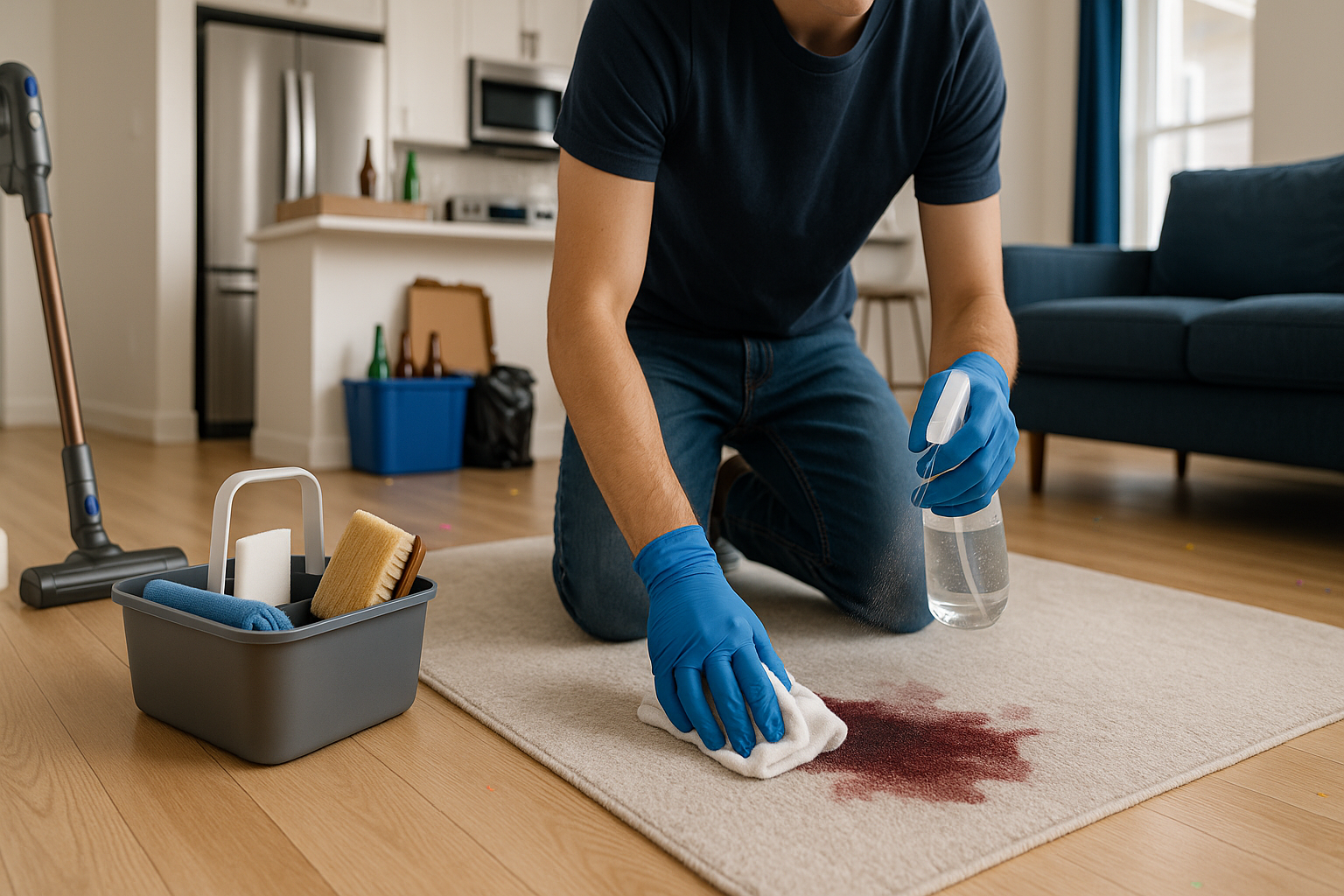
You can mop every week and still wonder why the kitchen feels grimy, the bathroom smells a little tired, and the office never looks quite “reset.” In Cambridge, hard water leaves chalky limescale on taps, student turnarounds mean frantic end-of-tenancy scrubs, and busy offices collect dust in vents and crumbs between keys. A proper deep clean cuts through all of that. It reaches the places regular cleaning does not, restores a sense of order, and gives both homes and workplaces a fresh start.
This guide explains what a deep clean involves, how it differs from regular cleaning, and how to choose a deep clean Cambridge service that fits your space, schedule, and standards. Whether you are planning a move, preparing an office for audits, or simply overdue for a reset, the details below will help you book with confidence.
A deep clean is a top-to-bottom service that targets built-up grime, scale, and hidden dust. It goes beyond weekly tasks such as vacuuming and wiping surfaces. Expect attention to corners, behind appliances, inside cabinets when requested, and on high-touch points that accumulate bacteria.
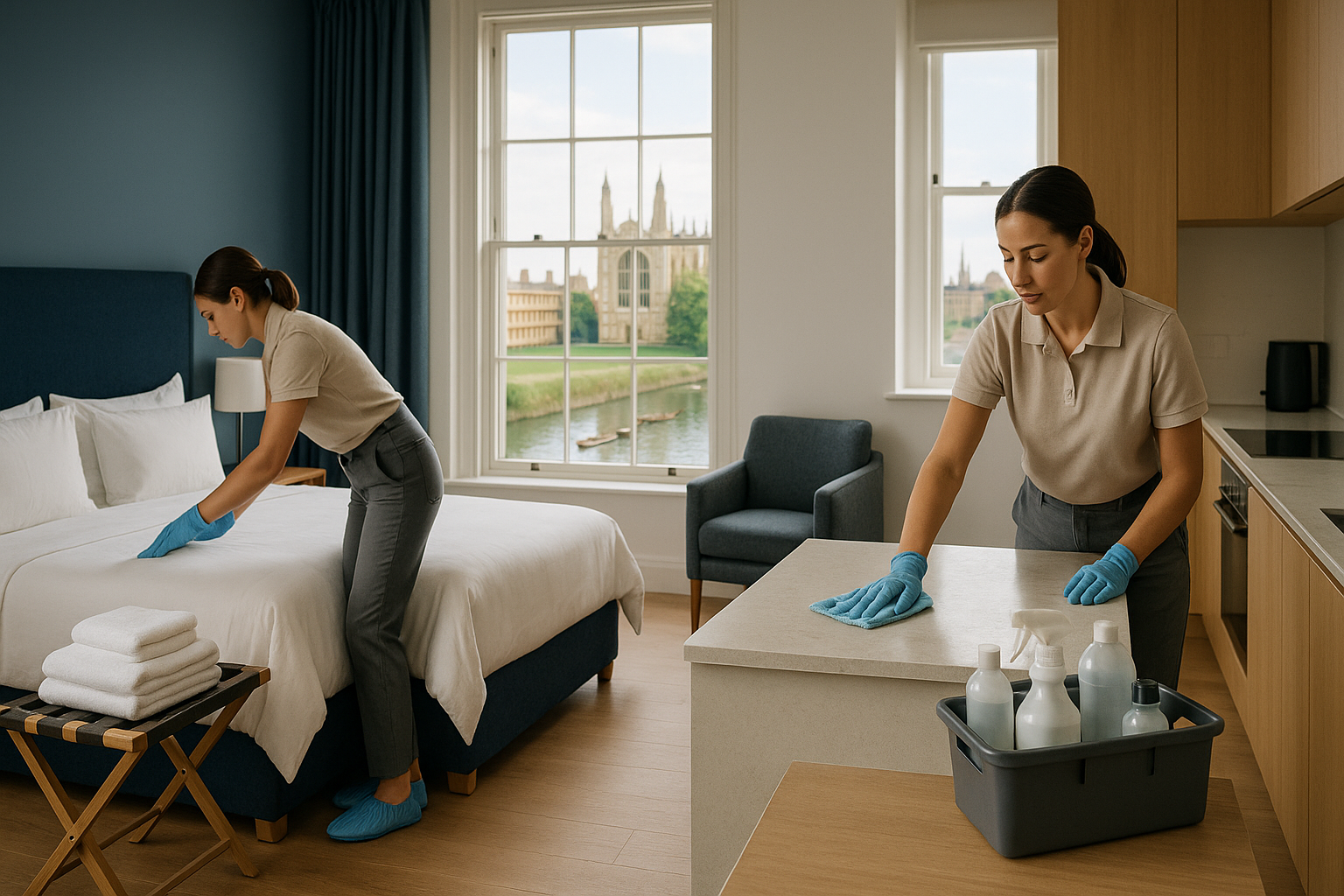
Cambridge homes and offices benefit from deep cleaning for a few local reasons. The water is hard, which encourages limescale on shower screens, kettle elements, and faucets. Many older properties have intricate woodwork and radiators that trap dust. Student and academic schedules create seasonal peaks of move-ins and move-outs, often with strict inventory standards. Offices near the station, the Science Park, or the Biomedical Campus handle constant foot traffic, which means carpets and communal areas require periodic resets to stay hygienic and presentable.
A reliable deep clean Cambridge service understands these patterns. They plan for limescale removal, high-detail dusting, and tailored sanitising for shared spaces so that the results hold up in daily life.
A well-executed residential deep clean follows a logical order. Pros work from high to low, dry tasks before wet ones, and finish with floors once everything above has settled.
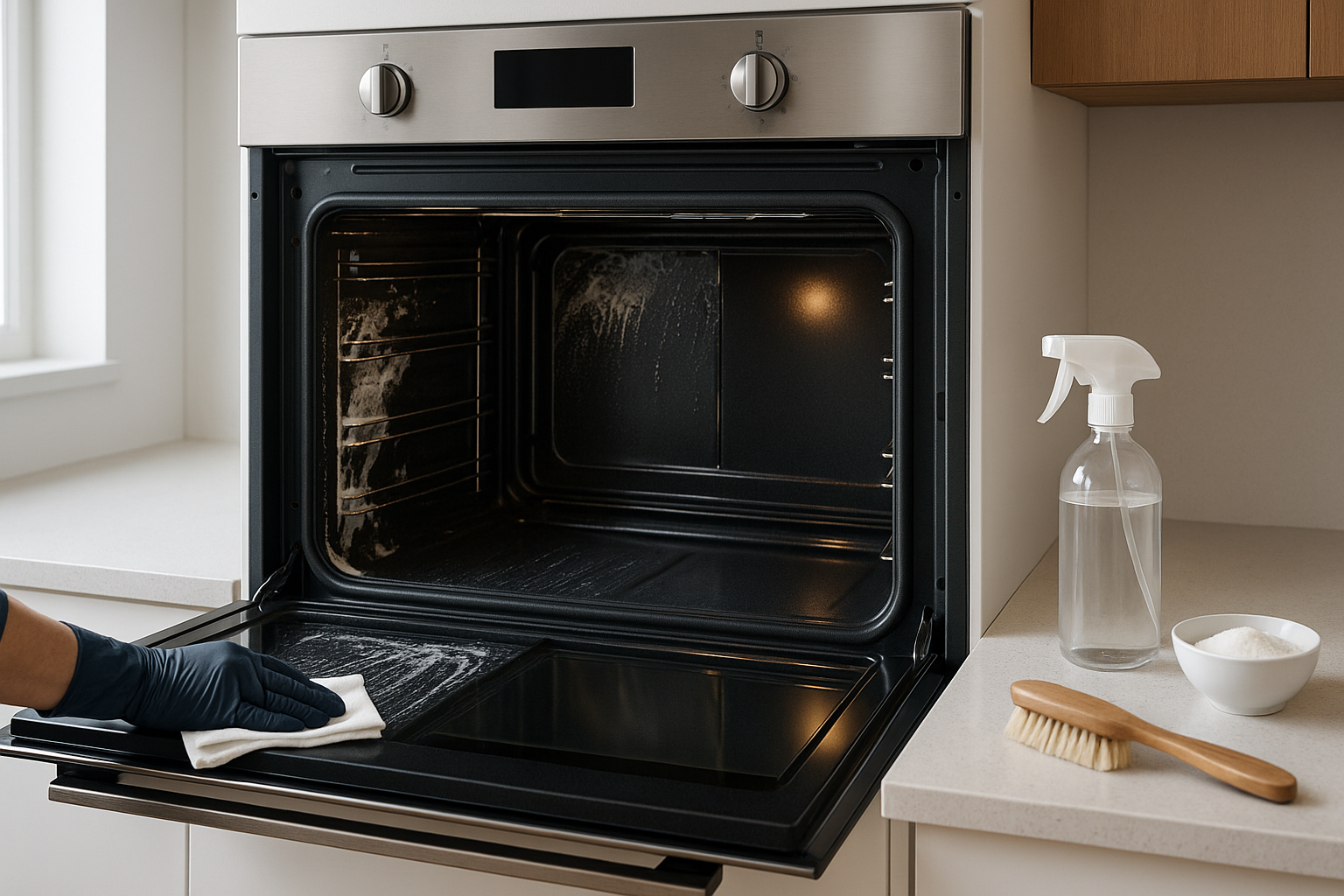
The kitchen is often the heaviest lift. Expect thorough degreasing of the hob, extractor hood, splashbacks, and the sides of appliances. Ovens are treated with professional-grade cleaner or steam, racks are soaked, and door glass is polished both inside and out. Cupboard fronts are degreased and handles sanitised. With prior agreement, interiors are emptied and wiped, then reloaded in an organised way.
Hard water means kettles, taps, and sink drains receive descaling. Tile grout is scrubbed to lift discoloration. The dishwasher filter, washing machine drawer, and rubber seals are cleaned to remove residue and mildew. Skirting boards, sockets, and light switches are wiped, then floors are scrubbed, not just mopped, especially along kickboards where grease collects.
In bathrooms, limescale is the main event. A deep clean includes descaling shower glass, screen hinges, and shower heads, polishing taps, and scrubbing grout lines. Toilets are treated inside the bowl and around fixings. Extractor fan covers, which often go untouched for months, are dusted and washed to improve airflow and reduce odours. Cabinets, mirrors, window tracks, and the edges behind basins are cleaned with detail. Finally, the floor is scrubbed, with attention to silicone seals and corners.
In living rooms and bedrooms, dust migrates to high shelves, picture rails, blinds, and behind radiators. Pros vacuum sofas, move light furniture when possible, and clean under cushions. Skirting boards and door frames are wiped, vents are dusted, and window interiors are washed. Wardrobe tops and the inside tracks of sliding doors are often forgotten, yet they collect thick dust that should be removed during a deep clean. Mattresses can be vacuumed to lift dust and allergens if requested.
Deep cleaning typically includes interior window panes and frames, along with track cleaning to remove grit and insect debris. Fabric blinds are dusted or vacuumed. Venetian blind slats are wiped individually. Light fittings, especially complex ones in period homes, are dusted with care, then polished where safe.
Fridge interiors are cleaned and deodorised if they are defrosted in advance. Microwaves, toasters, and small appliances are wiped and polished. Appliance pull-outs are a hallmark of a true deep clean. Where safe, cleaners will move the fridge or oven to access the grime that builds along walls and floors.
For properties that need even more, add-on services often include carpet steam cleaning, upholstery cleaning, and exterior window washing, scheduled to follow the interior work for a complete refresh.
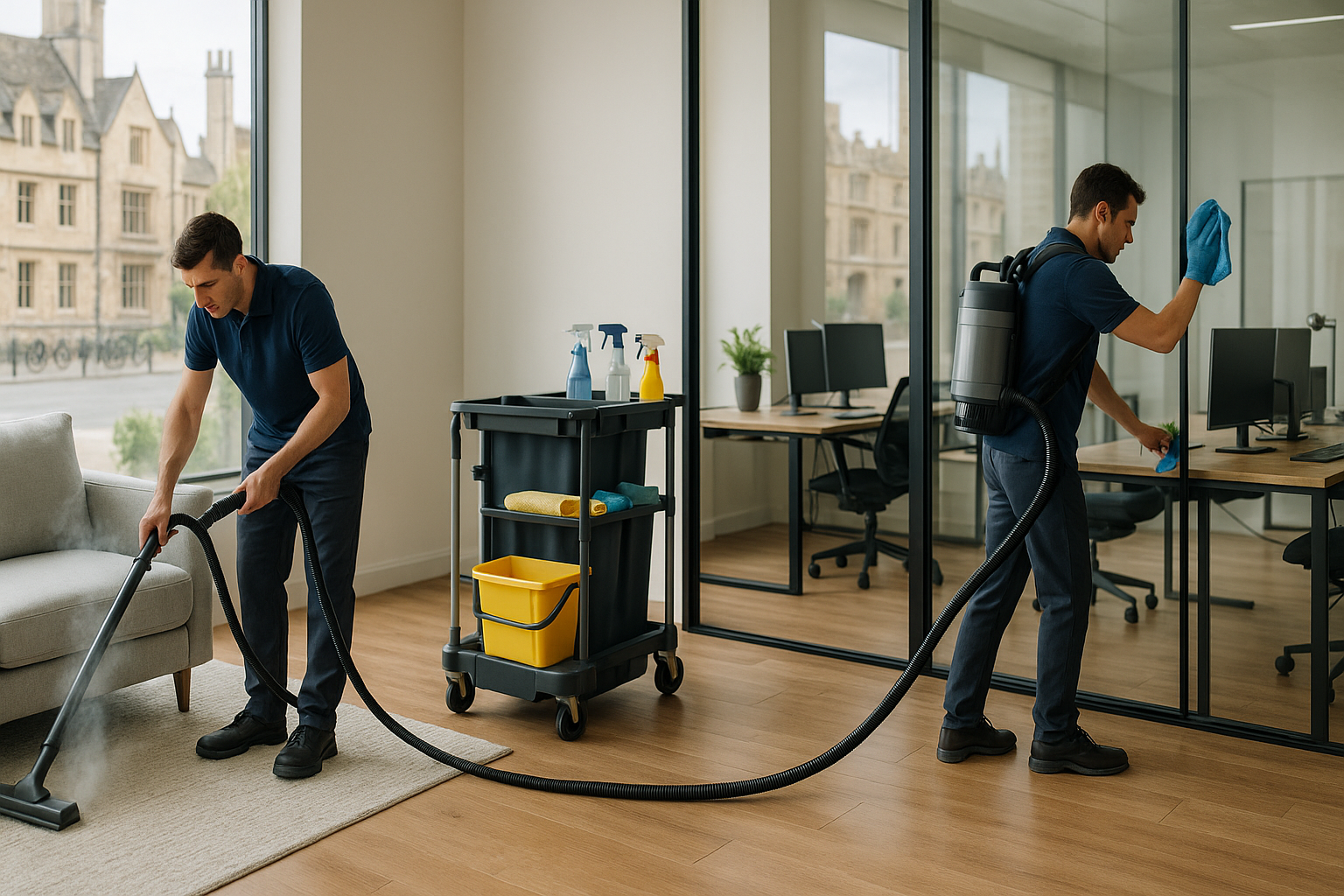
Offices in Cambridge range from converted Victorian buildings to modern glass-fronted spaces near the station. Each type needs a strategy that respects building features, foot traffic, and the sensitivity of equipment.
A good office deep clean focuses on high-touch hygiene. Desks, chairs, and pedestal units are cleaned on all sides, not just where they show. Monitors are dusted with safe methods. Keyboards, mice, and telephones are sanitised using alcohol-based products that will not damage electronics. Cable trays are cleared of dust bunnies. Vent covers and air grilles, which often sit above head height, are vacuumed with HEPA filtration to reduce airborne dust.
Boardrooms and meeting spaces are reset to a hotel standard. Tables are degreased and buffed, chair legs are wiped, and presentation screens are dusted.
Office kitchens benefit from a residential approach. Fridges are emptied of expired items and cleaned, coffee machines are descaled, splashbacks are degreased, and cupboard handles are sanitised. Microwaves are treated inside and out. Communal cutlery drawers are removed, cleaned, and reloaded.
Washrooms are stripped of surface grime, then sanitised. Limescale is removed from taps and basins, and the tops of partitions and door edges are wiped, since they collect settled dust. Consumables are restocked if supplied.
Carpets are vacuumed slowly and methodically. Traffic lanes near reception and printer hubs receive extra passes or extraction if booked. Hard floors are scrubbed and polished where appropriate. Skirting boards, glass partitions, and door frames are detailed for a high-finish look that holds up under daylight.
Many Cambridge offices prefer out-of-hours deep cleans. Teams can arrive in the evening or at weekends to avoid disruption. A reputable provider will carry insurance, follow a site-specific risk assessment, and brief staff on security, keyholding, and alarm protocols. If your site is part of a science or research facility, clarify access zones, chemical sensitivities, and any compliance notes well before the booking date.
You do not need to wait for a crisis. These moments are ideal for a deep clean:
The right team should feel like a safe pair of hands. Look for experience with local property types and a clear, written scope that matches your needs.
Start with reputation. Read recent, verified reviews and ask for references. Look for comments on punctuality, thoroughness, and respect for belongings. Ask how they handle surprises such as parking gaps, heavy limescale, or inaccessible areas.
Check credentials. Public liability insurance is a must. Office sites may require DBS-checked staff, method statements, and COSHH documentation for products. Confirm the company’s policy on breakages, likely rare but important to address in advance.
Scrutinise the scope. A detailed checklist shows professionalism, but flexibility matters too. Ask what is included as standard, such as inside windows and skirting boards, and what counts as an add-on, such as oven cleaning, carpet extraction, or exterior windows. Clarify exclusions. Many teams do not remove hazardous waste, clean unreachable exterior glass, or move heavy fitted furniture without notice.
Consider products and equipment. Cambridge households often request eco-friendly or fragrance-free options. HEPA vacuums help reduce allergens. Microfibre systems cut chemical use while improving results on glass and stainless steel.
Lastly, evaluate communication. A quick video walk-through or a few photos can replace a home visit and help produce an accurate quote. Professional teams confirm date, access, parking requirements, and expected duration in writing.
Preparation saves time and improves results. You do not need to pre-clean, but a few small steps are practical.
When the team arrives, do a quick walk-through to confirm priorities. Point out any problem areas, such as a stubborn oven seal or a leaky tap. The crew will work methodically, usually starting high and moving to floors. At the end, walk through again and check that everything agreed has been completed. Small snags are easiest to fix while the team is still on-site.
Pricing for deep cleaning varies with size, condition, access, and add-ons. A lightly used one-bedroom flat near CB1 will take far less time than a four-bedroom family home in Trumpington after renovations.
Many services quote by the job, informed by labour hours. As a rough guide, a standard deep clean for a two-bedroom flat might require two operatives for 6 to 8 hours, depending on oven condition, limescale, and inside-cabinet cleaning. For a three to four-bedroom house, expect a larger team and a full day. Offices are typically priced by square footage and complexity. A 5,000 square foot space might need a weekend team of four for most of a day, with time added for carpet extraction or high glass.
Add-ons such as oven cleaning, carpet shampoo, upholstery, or exterior windows are priced separately. Parking, access to upper floors without a lift, and heavy build-up can affect the final figure. A detailed quote that lists tasks and estimated hours is the best protection against surprises.
A deep clean sets a new baseline. Keeping it that way is about light, regular habits.
For homes, wipe shower screens after use to slow limescale. Keep a gentle descaler or white vinegar spray for weekly taps and tiles. Fit microfibre cloths into your routine, since they trap dust without spreading it. Vacuum radiators and skirting monthly to prevent build-up. A mat at each entrance catches grit from bikes and walks by the river.
For offices, agree on a practical rota for desk wipe-downs and kitchen tidy-ups between professional visits. Provide sanitising wipes safe for electronics, and set a standing rule about clearing desks on a scheduled day so cleaners can reach every surface. Quarterly mini resets, especially for kitchens and washrooms, keep the big work manageable.
Cambridge housing is diverse. Victorian terraces in Romsey and off Mill Road have ornate woodwork and older radiators that trap dust. New builds in Eddington and Trumpington have sleek surfaces and floor-to-ceiling glass that show smudges. Riverside homes in Chesterton often battle condensation and window track grit. Student lets near the colleges face end-of-term pressure with inventories that note skirting boards, oven glass, and limescale.
On the commercial side, tech offices around the Science Park and CB1 handle high device density, so dust control matters for equipment longevity. Heritage buildings repurposed as offices need a light touch that protects finishes while reaching detail. A deep clean Cambridge service that works across these property types will already know the likely trouble spots and the best techniques.
Booking is straightforward if you have a few details ready. Share your address and parking info, the number of rooms and bathrooms, and any special requests such as “inside all kitchen cabinets” or “post-builders dust.” Photos or a short video call help the provider gauge condition and confirm team size. Ask for a written quote with the task list, schedule, and any add-ons. If you live near controlled parking zones or within college grounds, clarify access and permits in advance.
On the day, ensure the team can reach every room and that hot water and electricity are available. If you will not be present, confirm key handover and return. Once complete, settle up through the agreed method and keep a copy of the checklist for your records.
A deep clean is not just about shiny taps. It is about restoring comfort at home and credibility at work. In Cambridge, that means pairing meticulous technique with local knowledge. Look for clear communication, a scope that matches your needs, and a team that respects your property type, schedule, and security.
With the right partner, a deep clean Cambridge service transforms the feel of a flat near the station, a family home off Hills Road, or a busy office by the river. The result is more than a tidy space. It is a healthier, calmer environment that is easier to maintain long after the team packs up the last bucket.