April 8, 2026
April 9, 2026
Five minutes can be the difference between a glowing five-star review and a frustrated email about hair in the shower, sticky counters, or a sour towel. Guests notice what many hosts miss. The fastest way to earn trust is not a fancy coffee machine or expensive bedding. It is a consistent, efficient cleaning routine that leaves no doubts about hygiene or care.
This guide brings together practical Airbnb cleaning tips for hosts who want speed without sloppiness. The goal is a repeatable system that shortens turnover time, protects your ratings, and creates a welcoming space every single stay. Think of it as a playbook. Use it to train a cleaner, hand it to a co-host, or follow it yourself when schedules get tight.
Guests rarely remember spotless tiles, but they always remember grime and odors. A strong cleaning system does more than prevent complaints. It raises your nightly rate over time, increases occupancy, and reduces wear because spills are caught early and maintenance issues are spotted before they become emergencies. It also makes turnovers predictable, so last-minute bookings feel routine rather than stressful.
Cleanliness also sets the tone for the entire stay. If the place looks and smells fresh, guests tend to treat it with more respect. They assume you care, and they respond in kind.
A good checklist is precise, repeatable, and ordered for speed. This version covers a typical one to two bedroom listing. Adjust it to your layout, but keep the structure.
Prop the door open if safe, switch on all lights, and open blinds. Stale air deceives the eye, so ventilate at once. Start a quick scan for damage or missing items, then collect trash and dishes from all rooms. Begin the first laundry load immediately. Linens drive your timing more than any other task, so do not delay them.
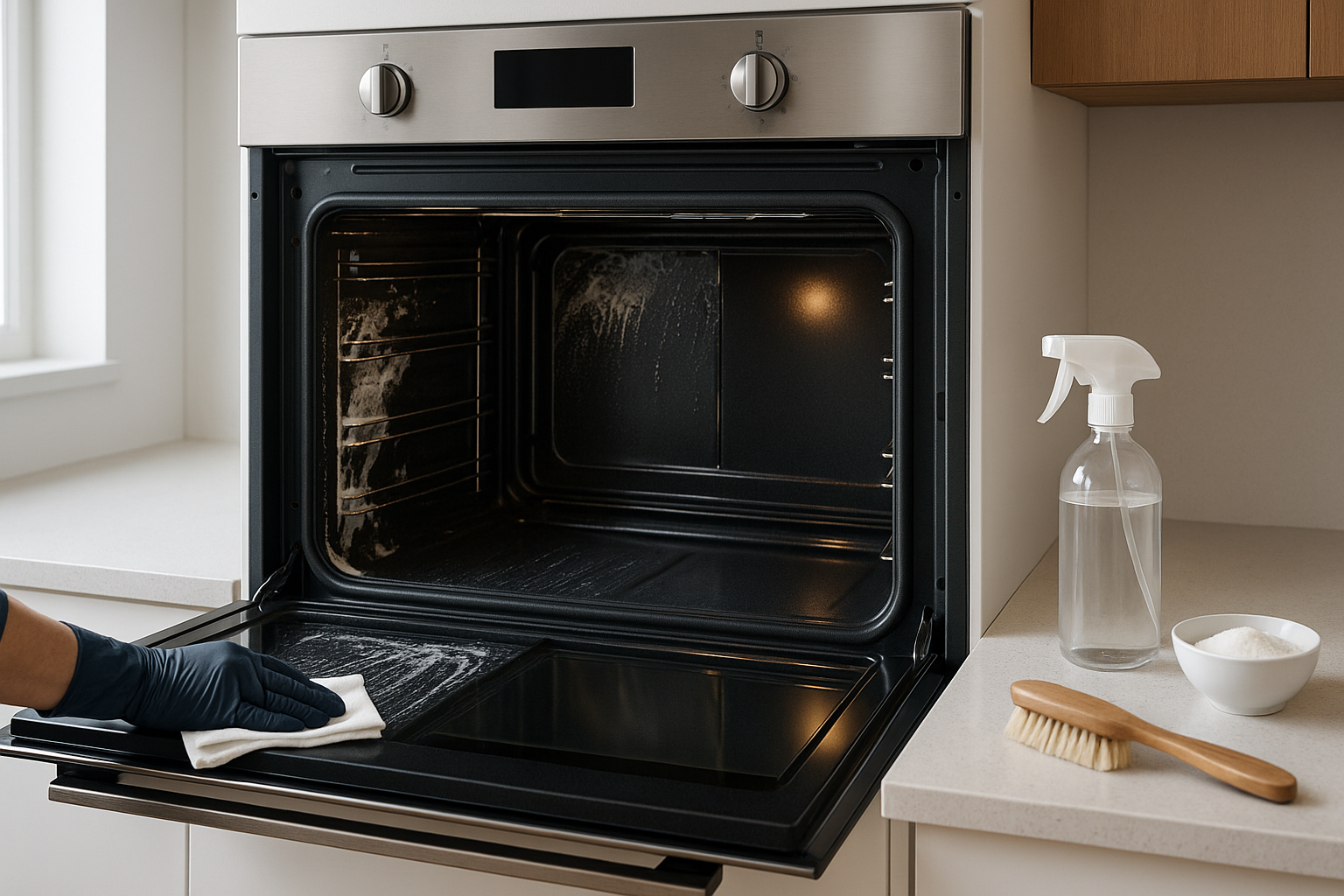
Clear counters completely, then wipe from the backsplash forward so crumbs fall toward the edge you will clean last. Empty and wipe the fridge, remove mystery condiments, and check the freezer for spills. Clean the microwave interior and touchpoints like handles, knobs, and light switches. Degrease stove grates, scrub the oven door glass, and check the oven interior if the last guest cooked. Run the dishwasher if needed and clean the filter. Refill dish soap and replace the sponge for every new reservation. Finish the sink last so it gleams, then stage a clean drying rack or mat.
Tackle bathrooms right after you start the laundry. Remove used towels and bath mats. Dust high areas, then spray disinfectant on the toilet exterior, seat, and base and let it dwell while you handle the shower and sink. Scrub grout lines and corners, polish glass and chrome, and remove all stray hairs. Replace the shower curtain liner at signs of soap scum or every few months on schedule. Empty the trash, line the bin, and stock toilet paper at a consistent par level. Wipe mirrors streak-free, then close with a final disinfecting pass on the toilet and sink handles.
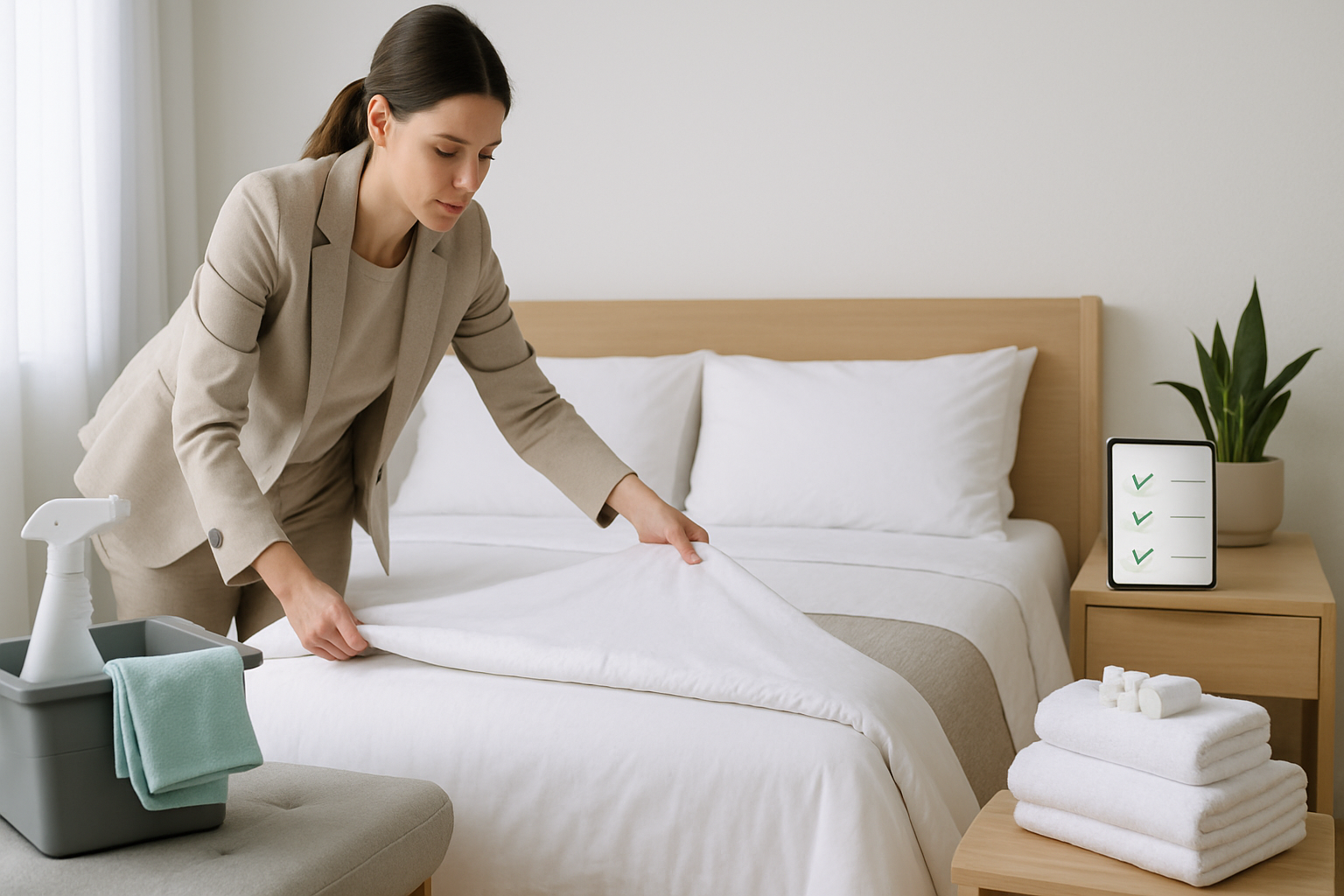
Strip beds and check for stains on mattresses and pillows. Use waterproof protectors on both. Make beds with consistent folds and pillow placement so a quick glance shows whether anything is off. Look under beds for belongings, trash, and dust bunnies. Dust headboards, lamps, and nightstands. Reset the thermostat as needed for arrival comfort.
Dust top to bottom, including ceiling fans, frames, and vents. Clean remote controls and game controllers with disinfectant wipes. Straighten furniture, fluff cushions, and stage pillows the same way every time so photos match your listing. Check cords and chargers, test the TV, and remove fingerprints from screens.
Sweep entryways and patios, wipe furniture, and remove spider webs. Empty ashtrays if you allow smoking outside. Check the barbecue, scrape grates, and verify fuel or charcoal availability.
Vacuum first, using edges and crevice tools along baseboards and under furniture. Mop last, working your way out of the room so you do not walk on wet floors. Use a separate mop head or cloth color for bathrooms to avoid cross-contamination.
Empty all bins and carry bags out right away to remove odors. Leave extra liners tucked neatly under the current one in each bin. Check local sorting rules to avoid fines and guest confusion.
Walk the path a guest would. Lights on, blinds set, HVAC comfortable, scents neutral, doors and windows locked, and keys or codes tested. Take three to five quality photos for records and to confirm staging.
Speed is not about rushing. It is about not repeating steps or waiting on machines. Use this simple sequence and you will move faster with less stress.
Start laundry the moment you arrive. While it runs, clean bathrooms first, then the kitchen, then bedrooms and living areas, then floors. As the first wash finishes, swap to the dryer and start a second load if needed. Make beds as soon as linens are dry, then do a final sweep of surfaces and restocking last. Floors always come at the end, after everything else has been disturbed.
Work from high to low and from cleanest zones to dirtiest. That means dust before disinfecting, and wipe counters before scrubbing floors. Keep a cleaning caddy with you to avoid trips to the closet. Every extra step costs you minutes you cannot spare on back-to-back turnovers.
Linens sell the experience. Use white towels and sheets so you can bleach safely and spot stains immediately. Keep at least three full sets per bed so you always have one on the bed, one in the wash, and one ready on the shelf. Pre-treat stains on the spot with an enzyme spray for protein stains, oxygen bleach for general brightness, and a degreaser for makeup or oils. Avoid fabric softener on towels to preserve absorbency. Dryer balls help speed drying without residue.
Triple sheeting, a top sheet on both sides of a duvet insert, reduces duvet cover laundering between stays and keeps the bed looking crisp. Use zippered pillow protectors and a mattress protector. Replace protectors when zippers fail or after a fixed number of turns. If you host pets, choose tightly woven fabrics that resist hair, and consider a lint roller station near the laundry.
Wash at the warmest safe temperature for your textiles, then fully dry to prevent mildew. Never leave wet items in the washer. If you have limited laundry capacity, partner with a local laundry service for peak periods, and store pre-assembled bed bundles by size to shave minutes off each turnover.
Kitchens and baths carry most cleanliness complaints because they involve food and hygiene. A few habits prevent most issues.
In the kitchen, pull the range forward during deep cleans to catch grease you cannot see. Wipe cabinet fronts, especially around handles, and clean the toaster crumb tray. Replace dish sponges, scrub brushes, and cloths every guest. If you leave pantry basics, keep them fresh, labeled, and minimal to discourage hoarding or spills.
In bathrooms, hair is the enemy. After cleaning, use a dry microfiber cloth to sweep corners and the tub for stray hairs, then a sticky roller along the floor edges. Descale shower heads and faucets regularly if you have hard water. Keep a small plunger and drain snake on hand, and sanitize them after use. If you provide bath products, choose pump bottles that are easy to wipe and refill, then check levels during each turnover.
A HEPA vacuum improves air quality and that fresh feel when guests walk in. Vacuum furniture as well as floors, especially if you accept pets. Mop with a neutral cleaner on sealed floors and a stone-safe formula on natural surfaces. Avoid heavy fragrances. Clean baseboards and vents quarterly, more often if your place sits on a busy road or near the beach.
Odors matter more than shine. Keep the space neutral. Open windows when possible, run the bathroom fan, and use a baking soda fridge deodorizer. Avoid covering odors with strong sprays. If smoke or cooking smells linger, wash soft goods that trap scent, clean HVAC filters, and use an enzymatic odor neutralizer.
Restocking is about par levels and predictability. A simple system prevents panic runs to the store. Keep at least two backups for each consumable on-site and label the shelf with minimum and maximum quantities. Track the date you opened each bulk item on masking tape.
Presentation is consistency. Fold towels the same way. Align remotes, coasters, and menu cards to your photo standards. Set the thermostat evenly, place a welcome note where eyes land, and turn on two or three lamps for warmth if guests arrive after dark. A tidy coffee station with pods or ground coffee, filters, sugar, and a clean spoon tray makes morning easy and sets a positive tone.
A little setup goes a long way. Color-code cloths by room to avoid cross-contamination. Use laminated checklists with dry erase markers near the cleaning closet, and attach QR codes that link to short videos or photos of how each room should look. Label every shelf and bin so a new cleaner can find replacements without texting you.
Keep a compact caddy ready:
Automate key moments. Smart locks that notify your cleaner after checkout save calls and guesswork. Set reminders for deep cleans and filter changes. Track supplies in a simple spreadsheet or app and reorder on a fixed cadence.
Back-to-backs test your system. When time is short, prioritize bathrooms, beds, and odor control, then high-touch kitchen areas. If a guest requests early check-in, offer a partial early access to drop luggage while you finish cleaning, or make it conditional on cleaner availability with a fee that covers rush labor.
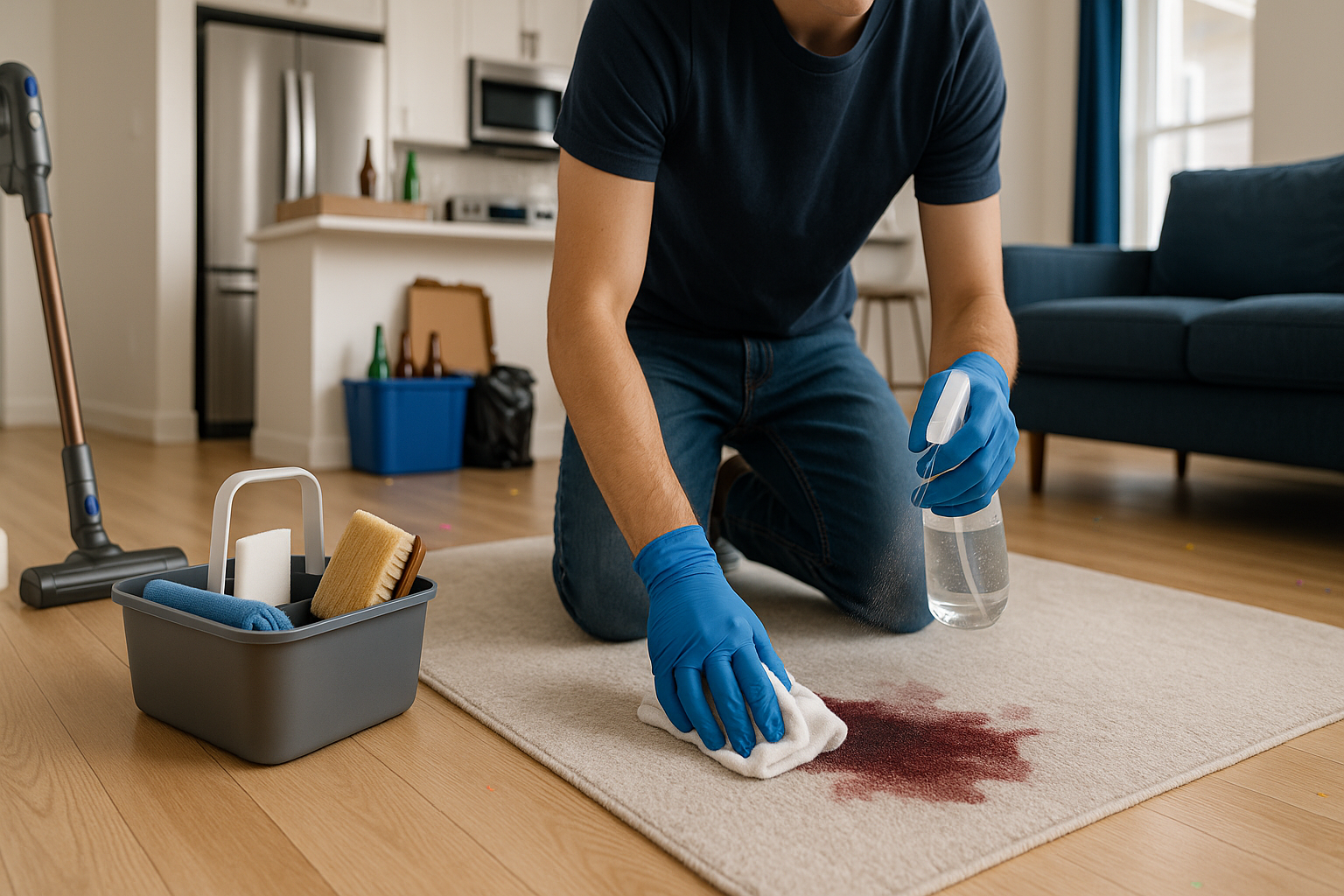
Sand, glitter, and pet hair need special tools. A rubber broom pulls hair from rugs better than a standard vacuum. Keep a handheld vacuum for tight corners. For spills on upholstery, blot first, then use enzymes. Never mix chemicals. Vinegar and bleach do not belong in the same room at the same time.
If you suspect rule violations like smoking inside, document with photos, ventilate, neutralize odor, and message the guest with a calm, factual note. For damage, photograph, keep receipts, and start the platform’s resolution process promptly. Have a lost-and-found box with a simple label system and a message template to offer return shipping at cost.
Inspection is the safety net. Ask cleaners to send you a standard set of photos after every turnover. Same angles, same order. One exterior shot, entry and living room wide, kitchen counters and sink, each bathroom from the doorway plus a close-up of the toilet and shower, each bed from the foot of the bed, and the thermostat showing the set temperature. These photos catch staging drift and help defend against false claims.
Do a sensory check. Look for streaks against the light, listen for a running toilet, and smell for hidden odors under sinks or near drains. If you manage multiple listings, schedule occasional spot checks and quarterly deep clean inspections with notes.
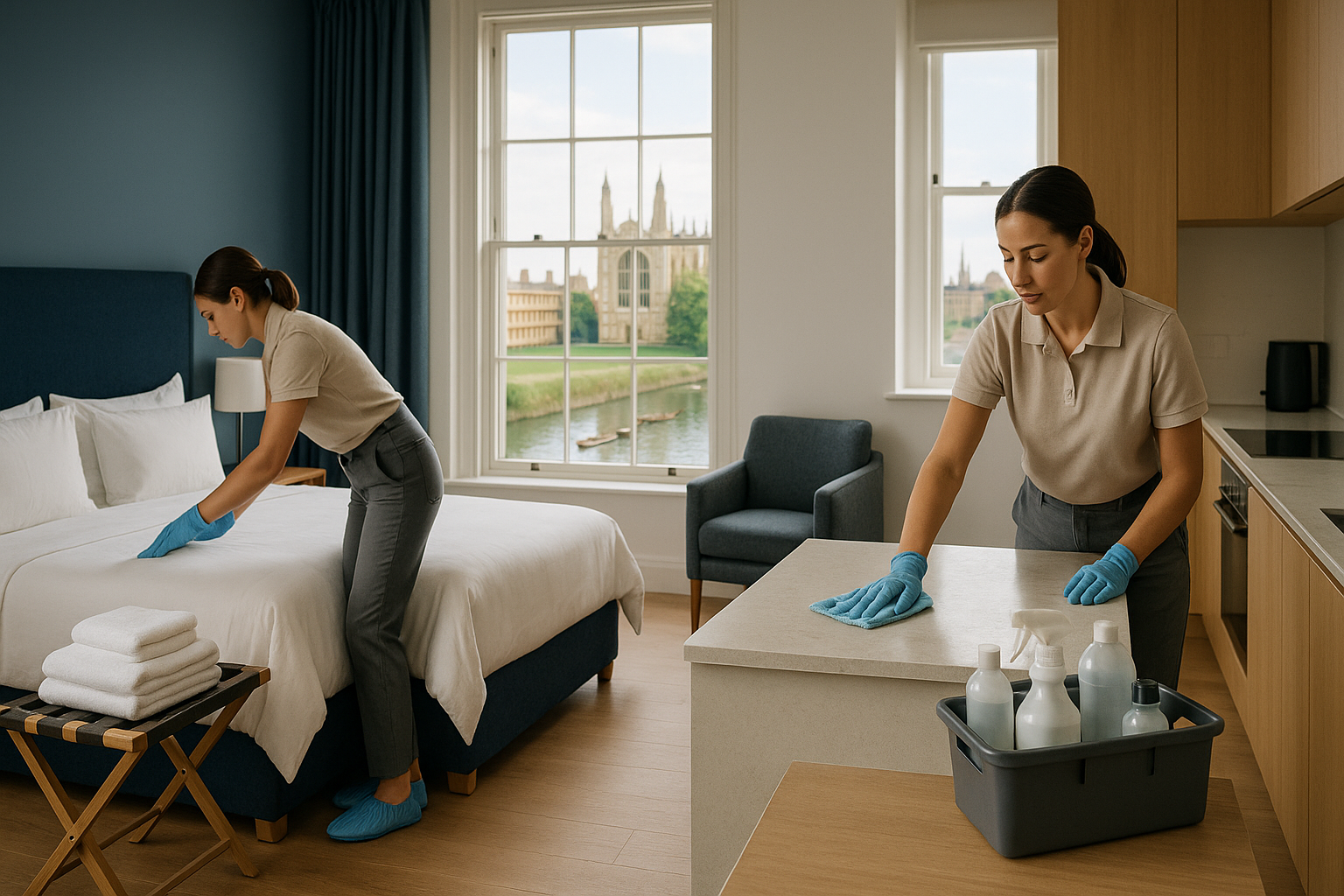
Some hosts love the control of DIY. Others prefer the reliability of a vetted cleaner. The right choice depends on your calendar, your rate, and your tolerance for last-minute scrambles. If you average more than a few turnovers a week or have frequent back-to-backs, a pro crew with a clear checklist often pays for itself in recovered time and fewer mistakes.
When hiring, look for vacation rental experience, proof of insurance, and strong references. Start with a paid test clean and a detailed scope. Share your checklist, your photo standards, and your timelines. Pay fairly for rush jobs and reward consistency. If you keep cleaning in-house, assign a backup cleaner and document every step so you are not the bottleneck.
You can run a green operation that still feels pristine. Use concentrated cleaners to cut plastic, refill pump bottles, and choose microfiber that you launder rather than disposable wipes when practical. Offer fragrance-free options for sensitive guests. Ventilate well. Never mix products and always label spray bottles. Gloves protect skin, and goggles are smart for heavy scrubbing jobs.
Eco choices often save money. Concentrates last longer, and a good squeegee reduces the need for harsh shower cleaners. Baking soda and an enzyme cleaner handle many issues without heavy scents.
Surface cleanings keep the listing ready day to day, but deep cleans prevent slow decline. Set a cadence that fits your occupancy. Monthly or bi-monthly deep cleans for high-traffic listings, quarterly for moderate schedules. During a deep clean, move furniture, pull appliances, wash baseboards, degrease range hoods, clean inside cabinets and under sinks, dust vents and blinds, and steam clean or shampoo rugs as needed.
Pair the deep clean with maintenance checks. Replace HVAC filters, test smoke and carbon monoxide alarms, inspect caulk and grout, tighten loose knobs, and replace any stained or worn linens. Swap shower curtain liners on schedule, not just when they look tired. Keep a small tool kit on-site so cleaners can report and fix minor issues immediately.
Treat cleaning like a professional operation, even if you host part-time. Store chemicals away from guests and label everything. Keep safety data sheets accessible. Provide gloves for anyone cleaning, and make sure there is adequate ventilation. If you work with contractors, understand local rules on insurance and worker classification. A simple incident log helps track slips, strains, or chemical spills, and improves your process over time.
Document your property condition with seasonal photo sets. When something goes wrong, a clean record of your standards and routine makes resolution faster and fairer.
The best hosts are not simply meticulous. They are consistent. An efficient checklist, a clear order of operations, and a few smart tools create faster turnovers, calmer days, and better reviews. Start with the essentials, refine your flow, and keep improving with small tweaks. Guests will feel the difference the moment they open the door. And you will feel it too when five-star reviews become the norm rather than the exception.